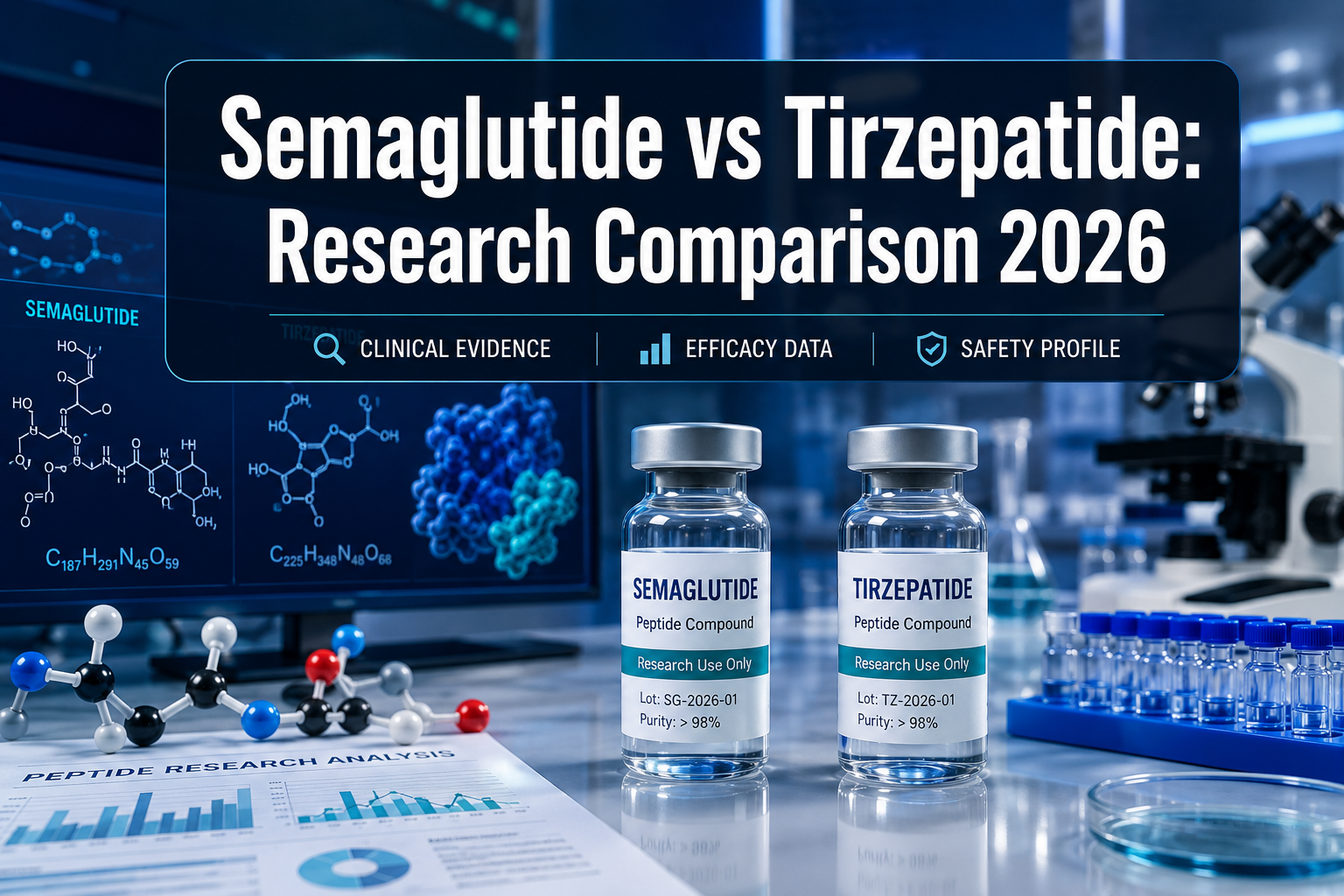
Semaglutide vs tirzepatide which is better for weight loss
Semaglutide vs tirzepatide which is better for

Quick Answer
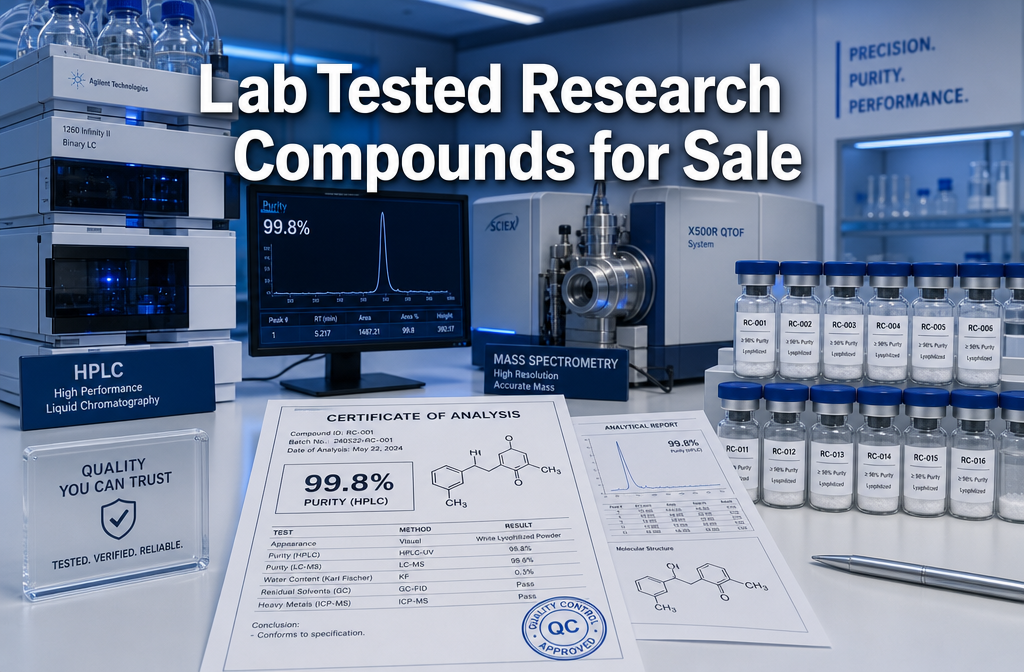
Lab tested research compounds for sale are synthetic peptides and small molecules independently verified for purity (typically ≥99.8%) through third-party analytical testing, sold exclusively for laboratory research applications. These compounds undergo rigorous quality control including GC-MS, HPLC, and mass spectrometry analysis, with Certificates of Analysis (CoAs) provided to confirm identity, purity, and potency. Qualified research professionals purchase these materials from specialized suppliers for use in controlled laboratory settings—not for human consumption or therapeutic application.
Research compounds are synthetic peptides, small molecules, and biochemical substances manufactured specifically for laboratory investigation and scientific study. These materials are legal to purchase when sold with explicit research-use-only designation and used exclusively by qualified professionals in controlled laboratory settings.
The legal framework surrounding research compounds distinguishes between intended use and actual application. Compounds remain legal when:
Regulatory context: Research compounds exist in a distinct category from pharmaceutical drugs, dietary supplements, and controlled substances. They are not approved by regulatory agencies like the FDA for human use, which is precisely why the research-use-only designation is legally mandatory.
However, legality becomes compromised when vendors market compounds with therapeutic claims, when buyers purchase for self-administration, or when materials cross borders without proper documentation. Customs seizures typically occur when:
For researchers seeking metabolic research compounds or other specialized materials, understanding this legal framework is essential before making purchasing decisions.
Research chemicals and pharmaceutical-grade compounds differ fundamentally in manufacturing standards, regulatory oversight, intended use, and quality assurance protocols.
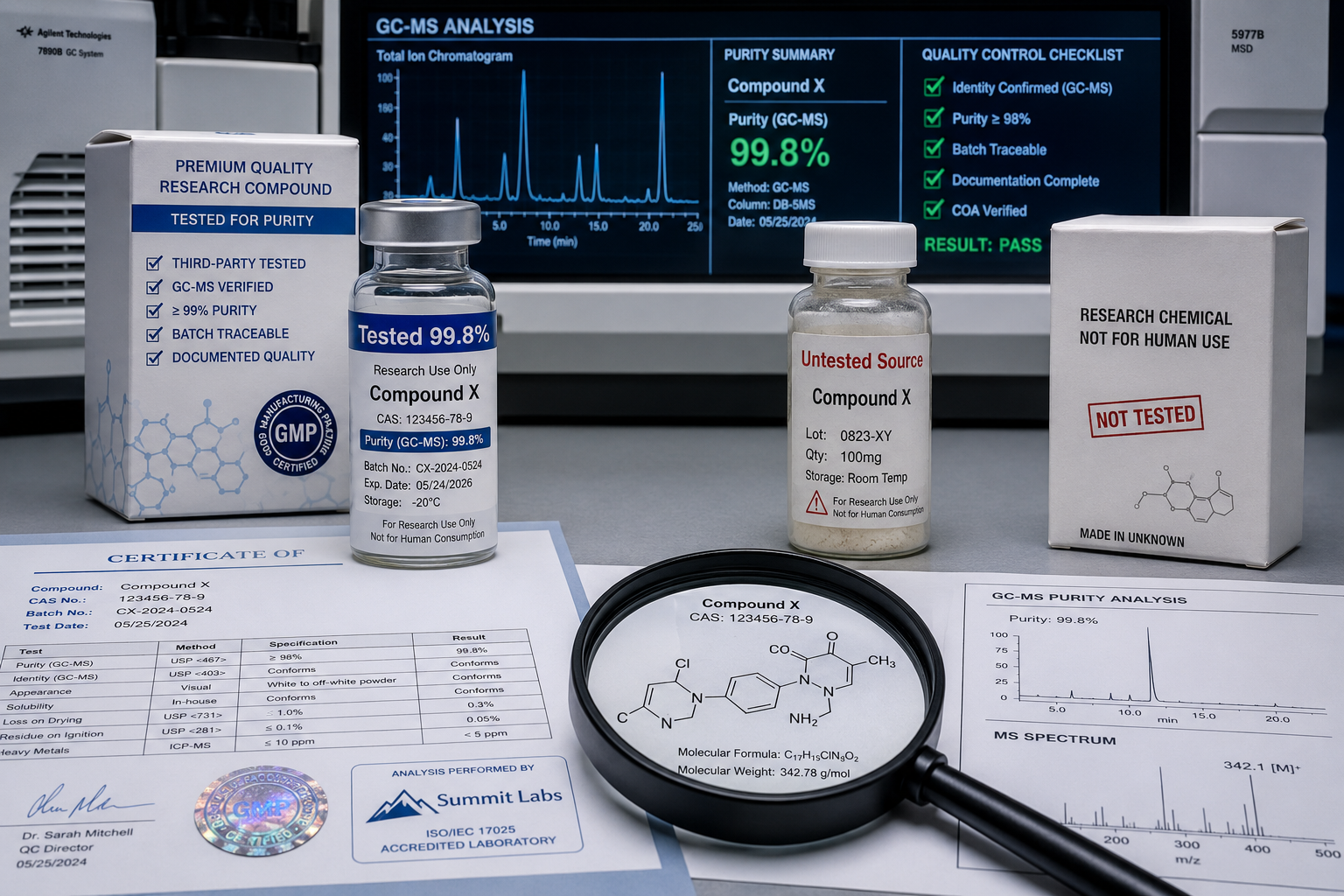
Pharmaceutical-grade compounds are manufactured under Good Manufacturing Practice (GMP) regulations, undergo extensive clinical testing, receive regulatory approval for specific therapeutic indications, and are produced with stringent quality controls for human consumption. These materials cost significantly more due to regulatory compliance requirements.
Research-grade compounds are manufactured for laboratory investigation, typically under Good Laboratory Practice (GLP) standards rather than GMP, and are not subject to the same regulatory approval processes. However, high-quality research compounds still maintain rigorous purity standards (≥99.8%) through independent testing.
| Characteristic | Pharmaceutical Grade | Research Grade |
|---|---|---|
| Regulatory Status | FDA/EMA approved for human use | Research-use-only, not approved for human consumption |
| Manufacturing Standard | GMP (Good Manufacturing Practice) | GLP (Good Laboratory Practice) or equivalent |
| Purity Standard | ≥99% with extensive stability testing | ≥99.8% verified through third-party analysis |
| Documentation | Extensive clinical trial data, package inserts | Certificate of Analysis (CoA), batch testing records |
| Intended Use | Therapeutic application in patients | Laboratory research and scientific investigation |
| Cost | Significantly higher due to regulatory overhead | Lower cost, reflecting research-grade production |
| Quality Control | Multi-stage regulatory oversight | Independent third-party analytical testing |
Common misconception: Some assume “research grade” means lower quality. In reality, reputable suppliers of lab tested research compounds for sale maintain purity standards that meet or exceed pharmaceutical specifications—the difference lies in regulatory approval status and intended use, not necessarily in molecular purity.
Research professionals working with GLP-1 and GIP metabolic research peptides require the same molecular precision as pharmaceutical applications, which is why third-party testing remains non-negotiable.
Verifying Certificates of Analysis (CoAs) is the single most critical step in confirming compound authenticity and purity. A legitimate CoA provides independent confirmation that the compound matches its label claim and meets specified purity standards.
Essential CoA verification steps:
Confirm third-party testing: The CoA must come from an independent analytical laboratory, not the vendor’s in-house testing. Look for recognizable laboratory names and contact information.
Check batch-specific documentation: Each CoA should correspond to a specific batch number that matches the vial you receive. Generic or undated CoAs are red flags.
Verify testing methodology: Legitimate CoAs specify analytical techniques used—typically HPLC (High-Performance Liquid Chromatography) for purity analysis, mass spectrometry for molecular weight confirmation, and sometimes GC-MS (Gas Chromatography-Mass Spectrometry) for identity verification.
Review purity percentages: Research-grade compounds should demonstrate ≥99.8% purity. Lower percentages may indicate degradation, contamination, or substandard synthesis.
Examine chromatography data: HPLC results should show a dominant peak representing the target compound, with minimal impurity peaks. The area under the curve (AUC) quantifies purity percentage.
Validate laboratory credentials: Cross-reference the testing laboratory’s credentials. Reputable analytical labs maintain ISO/IEC 17025 accreditation or equivalent quality standards.
What GC-MS testing means: Gas Chromatography-Mass Spectrometry (GC-MS) separates chemical mixtures (gas chromatography) and identifies compounds by their mass-to-charge ratio (mass spectrometry). For research compounds, GC-MS confirms molecular identity by matching the mass spectrum to the expected compound structure. This technique is particularly valuable for detecting substitutions or adulterants.
Red flags in CoA documentation:
Researchers purchasing research compounds for laboratory use should request batch-specific CoAs before completing purchases and verify that documentation matches received materials.
Identifying reputable vendors for lab tested research compounds for sale requires evaluating multiple quality indicators beyond marketing claims. The research compound market includes both legitimate scientific suppliers and questionable sources selling untested or misrepresented materials.
Criteria for evaluating research compound vendors:
1. Third-party testing transparency Legitimate vendors provide batch-specific Certificates of Analysis from independent laboratories. The testing lab’s name, contact information, and accreditation should be clearly stated. Vendors should make CoAs readily accessible—either on product pages or available upon request before purchase.
2. Purity standards Reputable suppliers maintain ≥99.8% purity across their catalogue. This standard reflects proper synthesis, purification, and quality control. Vendors advertising “pharmaceutical grade” without supporting documentation should be approached with skepticism.
3. Product range and specialization Established vendors typically offer comprehensive catalogues organized by research application—metabolic research, cellular regeneration, longevity studies, etc. Specialization in peptide synthesis and research compounds (rather than general chemical supply) indicates focused expertise.
4. Compliance and disclaimers Legitimate vendors prominently display research-use-only disclaimers and refuse to provide dosing guidance, therapeutic advice, or human consumption information. Vendors that blur these lines compromise both legal compliance and professional credibility.
5. Storage and handling documentation Quality suppliers provide detailed reconstitution protocols, storage requirements, and stability data. This documentation reflects understanding of peptide chemistry and commitment to research integrity.
6. Customer verification processes Some vendors implement qualification processes to verify that buyers are legitimate research professionals. While this adds friction to purchasing, it demonstrates commitment to compliance.
7. Global shipping capabilities Established vendors ship to 50+ countries with proper documentation, customs compliance, and temperature-controlled packaging. They provide transparent information about shipping restrictions and customs considerations.
Common mistakes when selecting vendors:
For researchers requiring specialized compounds like NAD+ for anti-aging research or MOTS-c for metabolic studies, vendor selection directly impacts experimental reproducibility and research outcomes.
Research compounds are explicitly not safe for human consumption and are sold exclusively for laboratory investigation. This designation is not a legal technicality—it reflects the absence of clinical safety data, pharmacokinetic studies, toxicology assessments, and regulatory approval required for human use.
Why research compounds are not for human consumption:
Lack of clinical safety data: Research compounds have not undergone Phase I, II, or III clinical trials that establish human safety profiles, appropriate dosing ranges, adverse event monitoring, or long-term safety outcomes.
Unknown impurity profiles: Even at 99.8% purity, the remaining 0.2% may contain synthesis byproducts, degradation products, or contaminants that have not been characterized for human safety. Pharmaceutical manufacturing includes extensive impurity profiling and toxicological assessment of residual compounds.
Absence of sterility guarantees: Research-grade compounds are not manufactured under sterile conditions required for injectable pharmaceuticals. While lyophilised powders may appear sterile, they lack the validated sterility assurance required for human administration.
No pharmacokinetic characterization: Absorption, distribution, metabolism, and excretion (ADME) profiles remain unestablished for most research compounds in human subjects. This creates unpredictable risks regarding bioavailability, half-life, and elimination.
Regulatory and legal implications: Self-administration of research compounds violates their intended use designation and may constitute illegal drug use depending on jurisdiction. Vendors who knowingly sell to individuals for self-administration face legal liability.
The research-use-only framework exists to protect both researchers and the public. Compounds sold for laboratory investigation serve essential roles in advancing scientific understanding—but this purpose is fundamentally distinct from therapeutic application.
Researchers working with compounds like Semaglutide or Tirzepatide in laboratory settings investigate mechanisms, pathways, and potential applications—but these investigations occur in controlled research models, not human subjects, until appropriate regulatory approval is obtained.
The distinction between research chemicals and nootropics centers on regulatory status, intended use, safety characterization, and legal availability for personal use.
Nootropics are cognitive enhancement substances that exist in multiple categories:
Research chemicals encompass a broader category of synthetic compounds manufactured for scientific investigation, including peptides, small molecules, and experimental substances without established safety profiles for human use.
Decision framework:
Choose established nootropic supplements if:
Choose research compounds only if:
Common mistake: Individuals sometimes purchase research chemicals marketed as nootropics for personal cognitive enhancement. This practice is both legally problematic and medically unsafe, as these compounds lack the safety characterization required for human use.
For legitimate research into cognitive function, compounds like Semax and Selank serve valuable roles in neuro-circadian research—but exclusively within controlled laboratory settings.
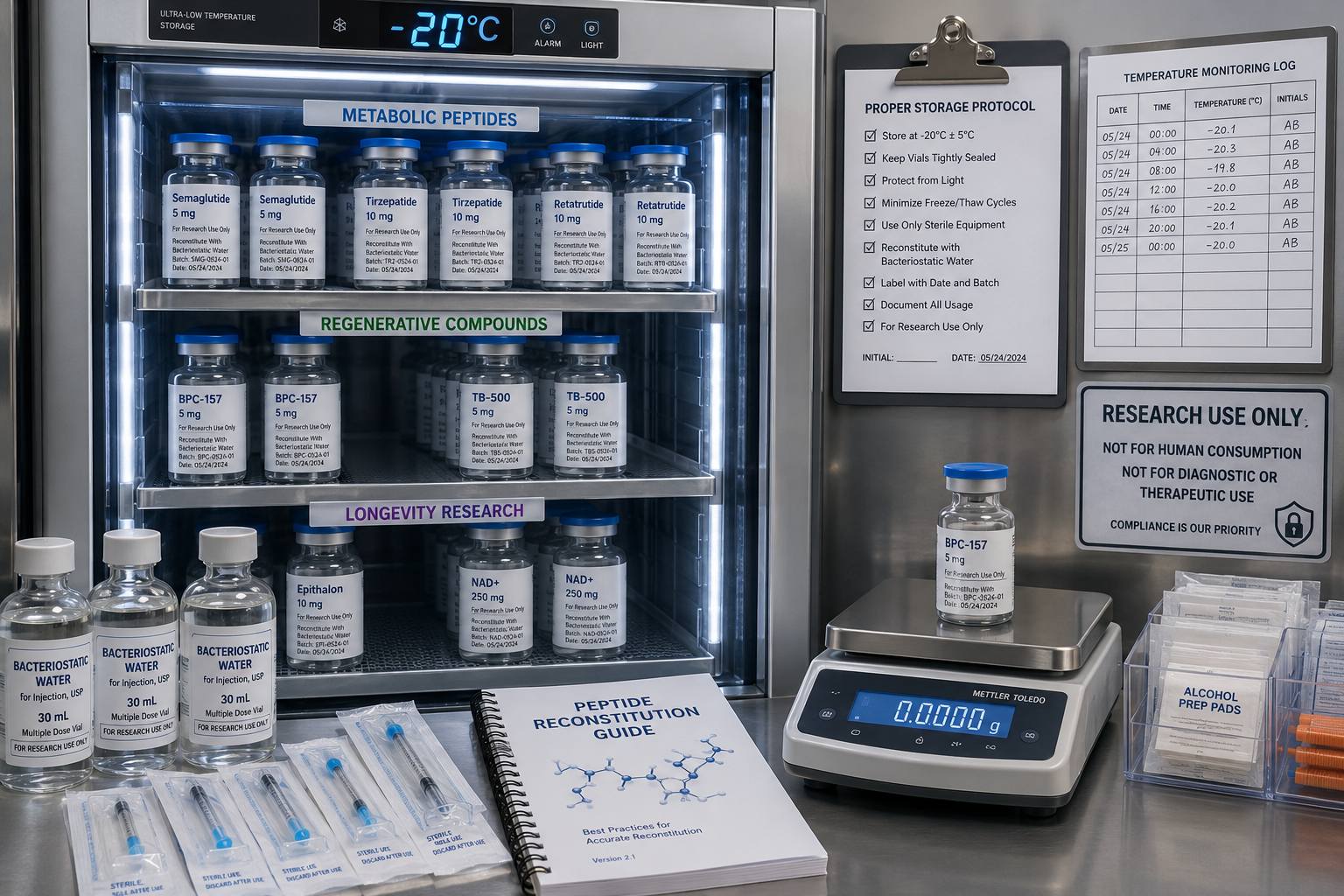
Pricing for lab tested research compounds for sale varies significantly based on compound complexity, synthesis difficulty, purity standards, testing requirements, and supply chain integrity. Understanding cost structures helps researchers evaluate whether pricing reflects legitimate quality or indicates potential quality compromises.
Typical price ranges (2026):
Synthetic peptides (common research compounds):
Small molecule research compounds:
Specialized research materials:
Factors influencing pricing:
Synthesis complexity: Longer peptide chains require more synthesis steps, increasing production costs. Modified peptides (e.g., acylated GLP-1 agonists like Semaglutide) involve additional chemical modifications that substantially increase manufacturing complexity.
Purity standards: Achieving ≥99.8% purity requires multiple purification steps (typically HPLC purification), which increases both time and material costs. Lower-purity compounds (95-98%) cost less but compromise research reliability.
Third-party testing: Independent analytical testing adds $150-$400 per batch, depending on testing complexity. Vendors offering significantly lower prices often skip this critical quality assurance step.
Scale and volume: Larger synthesis batches reduce per-unit costs. Established vendors with higher volumes can offer better pricing while maintaining quality standards.
Supply chain integrity: Legitimate vendors maintain temperature-controlled storage, proper handling protocols, and quality assurance systems that add operational costs but ensure compound stability.
Red flag pricing: Compounds priced 40-60% below market averages often indicate:
Cost-quality relationship: While price alone doesn’t guarantee quality, extremely low pricing almost always indicates compromised standards. Research reproducibility depends on compound purity—saving $30 on a vial while compromising experimental validity is false economy.
Researchers budgeting for compounds like Retatrutide or Tirzepatide should prioritize verified purity over marginal cost savings.
Customs seizures of research compound orders typically result from documentation issues, packaging that suggests human consumption, import restrictions, or quantity concerns that trigger regulatory scrutiny.
Common reasons for customs seizures:
1. Inadequate or incorrect documentation International shipments require proper customs declarations, commercial invoices, and sometimes import permits. Vague descriptions like “research materials” or “laboratory supplies” without specific compound identification raise red flags. Proper documentation should clearly state:
2. Packaging suggesting human consumption Customs officers assess whether packaging indicates personal use versus research application. Seizure risk increases when:
3. Country-specific import restrictions Some jurisdictions maintain specific restrictions on peptides, research chemicals, or particular compound classes. Countries with stringent pharmaceutical import controls may require:
4. Quantity concerns Large quantities trigger scrutiny regarding intended use. While research applications may legitimately require substantial volumes, customs officials may question whether quantities exceed reasonable laboratory needs.
5. Prohibited substance classifications Some research compounds fall under controlled substance schedules or prohibited import categories in specific jurisdictions. Melanocortin peptides, for example, face restrictions in certain countries due to misuse concerns.
6. Vendor compliance issues Shipments from vendors with histories of customs violations, improper labeling, or compliance failures face higher scrutiny. Established vendors with proper export documentation and customs compliance experience significantly lower seizure rates.
Minimizing seizure risk:
What happens after seizure: Customs authorities typically send seizure notices explaining the reason. In most cases, seized materials are destroyed, and no further action is taken against the recipient—particularly when seizure results from documentation issues rather than prohibited substance violations. However, repeated seizures may trigger additional scrutiny.
Researchers should consult their institution’s procurement and compliance offices before ordering research compounds internationally, particularly when working with specialized materials like endocrine growth hormone research compounds.
Research compounds are purchased by qualified research professionals across academic institutions, private laboratories, biotechnology companies, and pharmaceutical research organizations for scientific investigation spanning multiple disciplines.
Primary purchaser categories:
Academic researchers: University laboratories investigating metabolic pathways, cellular mechanisms, tissue regeneration, aging biology, and pharmacological targets. These researchers publish findings in peer-reviewed journals and contribute to fundamental scientific understanding.
Biotechnology companies: Organizations developing novel therapeutics, conducting preclinical research, and investigating compound mechanisms before advancing to clinical development. Research compounds serve as reference standards, mechanistic probes, and lead optimization tools.
Pharmaceutical research divisions: Drug development teams investigating receptor pharmacology, pathway interactions, and potential therapeutic targets. Research-grade compounds enable early-stage investigation before committing to expensive GMP synthesis.
Contract research organizations (CROs): Laboratories providing research services to pharmaceutical and biotechnology clients, conducting assay development, mechanism studies, and preclinical investigations.
Independent research professionals: Qualified scientists conducting investigations outside traditional institutional settings, often in specialized areas or emerging research fields.
Research applications by category:
Metabolic research: Investigating glucose homeostasis, insulin signaling, lipid metabolism, and energy expenditure using compounds like Semaglutide, Tirzepatide, and Retatrutide. These studies explore receptor pharmacology, pathway interactions, and metabolic regulation mechanisms.
Cellular regeneration: Examining tissue repair, angiogenesis, extracellular matrix remodeling, and wound healing using compounds like BPC-157, TB-500, and GHK-Cu. Research focuses on growth factor signaling, stem cell activation, and tissue remodeling pathways.
Longevity studies: Investigating cellular aging, telomere biology, NAD+ metabolism, and senescence using compounds like Epithalon, NAD+, and MOTS-c. These investigations explore mechanisms underlying aging and potential interventions.
Neuroendocrine research: Studying growth hormone secretion, hypothalamic-pituitary axis function, and metabolic regulation using growth hormone secretagogues and related compounds.
Receptor pharmacology: Characterizing receptor binding, signaling cascades, and pathway interactions using selective agonists and antagonists across multiple receptor families.
What research compounds are NOT used for:
The research-use-only framework ensures that compounds serve their intended purpose—advancing scientific knowledge through controlled investigation—rather than being diverted to inappropriate applications.
Purchasing untested research chemicals compromises experimental validity, wastes research resources, and potentially introduces safety hazards into laboratory environments. Understanding common mistakes helps researchers avoid quality pitfalls.
Critical purchasing mistakes:
1. Prioritizing price over purity verification The most common error is selecting vendors based solely on lowest pricing. Untested compounds may contain:
Impact: Even 2-3% impurity can significantly affect experimental outcomes, particularly in dose-response studies, receptor binding assays, or mechanistic investigations.
2. Accepting generic or fabricated CoAs Some vendors provide:
Solution: Request batch-specific CoAs with clear laboratory identification, contact information, and detailed analytical data. Cross-reference testing dates with purchase timing.
3. Ignoring storage and handling documentation Peptides and research compounds degrade under improper storage conditions. Vendors that fail to provide:
…likely lack quality control systems to ensure compound integrity throughout the supply chain.
4. Overlooking vendor compliance and disclaimers Vendors making therapeutic claims, providing dosing guidance, or marketing compounds for human consumption operate outside legal compliance frameworks. This suggests:
5. Failing to verify compound identity Some vendors substitute cheaper compounds or provide incorrect materials. Without proper testing verification, researchers may conduct entire experimental series with wrong compounds, wasting months of work and research funding.
6. Purchasing from vendors without established track records New vendors without verifiable histories, customer reviews, or institutional clients present higher risks. Established vendors with years of operation and transparent business practices demonstrate reliability.
7. Ignoring reconstitution and stability requirements Purchasing compounds without understanding proper reconstitution procedures, bacteriostatic water requirements, and reconstituted solution stability leads to:
Researchers should consult comprehensive guides on how to mix and store peptides before purchasing compounds.
8. Overlooking batch-to-batch consistency Reputable vendors maintain consistent synthesis and purification protocols, ensuring reproducibility across batches. Vendors without quality systems produce variable results that compromise experimental reproducibility.
Risk mitigation strategies:
Yes, universities and research laboratories increasingly purchase research compounds from specialized online vendors, particularly for peptides and synthetic compounds not readily available through traditional scientific supply chains.
Why institutions use online research compound vendors:
1. Specialized compound availability Traditional laboratory suppliers (Fisher Scientific, Sigma-Aldrich, etc.) maintain limited peptide catalogues focused on common research materials. Specialized peptide vendors offer:
2. Cost efficiency Specialized vendors often provide better pricing than traditional suppliers for peptide compounds, particularly for:
3. Quality and purity standards Reputable online vendors maintain purity standards (≥99.8%) that meet or exceed institutional requirements, with third-party verification through independent analytical laboratories.
4. Procurement efficiency Online ordering systems streamline purchasing processes compared to traditional supplier quote-and-order workflows, particularly for repeat orders and standard compounds.
Institutional purchasing considerations:
Vendor qualification processes: Research institutions typically maintain approved vendor lists requiring:
Procurement compliance: Institutional purchases must satisfy:
Quality assurance verification: Institutions may require:
Documentation and record-keeping: Institutional purchases generate:
Vendor selection criteria for institutions:
Common institutional use cases:
Institutions purchasing compounds for metabolic energy research or androgen hair follicle research follow established procurement protocols while leveraging specialized vendor expertise.
When research compound purity falls below advertised specifications, the consequences range from compromised experimental validity to complete research failure, depending on the magnitude of the discrepancy and the sensitivity of the research application.
Impacts of substandard purity:
1. Dose-response curve distortion If a compound advertised as 99% pure actually contains only 95% active ingredient, the effective dose is 4% lower than calculated. In dose-response studies, this systematic error:
2. Impurity interference The 1-5% impurity fraction may contain:
These impurities can produce:
3. Experimental reproducibility failure Batch-to-batch purity variations create:
4. Mechanistic misinterpretation Impurity-driven effects may lead researchers to:
5. Regulatory and publication consequences Research conducted with substandard compounds may:
Detecting purity discrepancies:
Independent verification: Researchers can submit samples to independent analytical laboratories for verification testing. HPLC analysis costs $200-$400 per sample but provides definitive purity confirmation.
Experimental red flags:
Comparison testing: Running parallel experiments with compounds from different vendors can reveal purity-related discrepancies.
Recourse options:
Vendor communication: Reputable vendors typically:
Documentation: Maintain records of:
Institutional reporting: Universities and research institutions may:
Prevention strategies:
For researchers working with precision compounds like Epithalon or GHK-Cu, purity verification is non-negotiable for research integrity.
Yes, synthetic peptides sold for laboratory investigation are classified as research compounds and absolutely require third-party testing to verify identity, purity, and potency. Peptides represent the largest category within the research compound market, encompassing hundreds of synthetic sequences used across multiple research disciplines.
Why peptides require rigorous testing:
1. Synthesis complexity Peptide synthesis involves sequential addition of amino acids through solid-phase peptide synthesis (SPPS). Each coupling step introduces potential for:
Even with optimized synthesis protocols, crude peptide products typically contain 60-80% target sequence, requiring extensive purification.
2. Purification challenges HPLC purification separates the target peptide from synthesis byproducts, but:
3. Stability and degradation Peptides are inherently less stable than small molecules, undergoing:
Improper storage accelerates degradation, reducing purity over time even if initially synthesized correctly.
4. Sequence verification Mass spectrometry confirms molecular weight matches the expected peptide sequence, but:
Essential testing for peptides:
HPLC purity analysis: Quantifies the percentage of target peptide versus impurities. Research-grade peptides should demonstrate ≥99.8% purity by HPLC.
Mass spectrometry: Confirms molecular weight matches the expected peptide sequence, detecting synthesis errors, amino acid substitutions, or degradation products.
Amino acid analysis: Quantifies amino acid composition, verifying sequence accuracy and detecting substitutions.
Peptide content determination: Measures actual peptide content versus total powder weight (which includes counterions, residual salts, and water). This affects accurate concentration calculations.
Endotoxin testing: For peptides intended for cell culture or in vivo research, endotoxin contamination must be below specified limits (typically <1 EU/mg).
Peptide-specific considerations:
Modified peptides: Acylated peptides (e.g., Semaglutide), PEGylated sequences, or peptides with non-natural amino acids require additional analytical characterization to verify modifications.
Cyclic peptides: Cyclization introduces additional synthesis complexity, requiring verification that cyclization occurred correctly and completely.
Disulfide-bonded peptides: Peptides with cysteine residues may form incorrect disulfide bonds, requiring analysis to confirm proper connectivity.
Long peptides: Sequences exceeding 40-50 amino acids present increased synthesis difficulty, with higher impurity risks requiring more rigorous testing.
Storage and stability testing: Peptides should include stability data indicating:
For researchers working with peptides like Melanotan II or Tesamorelin, third-party testing verification is essential for research validity.
What does “research use only” legally mean? “Research use only” is a legal designation indicating that compounds are manufactured and sold exclusively for laboratory investigation by qualified professionals. These materials have not undergone clinical safety testing or regulatory approval for human consumption, and their sale for human use would violate pharmaceutical regulations. This designation protects both vendors and researchers by clearly establishing intended use boundaries.
Can I buy research compounds without a laboratory affiliation? Technically, some vendors sell to individuals without institutional verification, but this practice raises ethical and legal concerns. Legitimate research applications require appropriate facilities, safety protocols, and ethical oversight. Purchasing research compounds for personal use or self-administration violates their intended designation and may constitute illegal drug possession depending on jurisdiction.
How long do lyophilised research compounds remain stable? Lyophilised (freeze-dried) peptides and research compounds typically remain stable for 1-3 years when stored at -20°C in sealed vials protected from light and moisture. Specific stability varies by compound—modified peptides with acylation or PEGylation generally show better stability than unmodified sequences. Once reconstituted, stability decreases dramatically to 14-28 days at 2-8°C depending on the compound.
What’s the difference between bacteriostatic water and sterile water for reconstitution? Bacteriostatic water contains 0.9% benzyl alcohol as a preservative, preventing bacterial growth and extending reconstituted solution stability to 14-28 days when refrigerated. Sterile water lacks preservatives and should only be used for single-use applications, as reconstituted solutions must be used within 24 hours. For research applications requiring multiple uses from one vial, bacteriostatic water is the standard choice.
Why do some research compounds cost significantly more than others? Pricing reflects synthesis complexity, peptide length, purity standards, testing requirements, and supply chain integrity. Longer peptides require more synthesis steps, increasing production costs. Modified peptides (acylated, PEGylated) involve additional chemical modifications. Third-party testing adds $150-$400 per batch. Compounds priced 40-60% below market averages often indicate untested materials or compromised purity standards.
Can research compounds be shipped internationally? Yes, most research compound vendors ship internationally to 50+ countries, but import regulations vary significantly by jurisdiction. Some countries require import permits, institutional documentation, or advance customs notification. Certain compound classes face restrictions in specific countries. Researchers should verify import regulations for their jurisdiction before ordering and ensure vendors provide proper customs documentation.
What should I do if my research compound arrives damaged or degraded? Contact the vendor immediately with photographic documentation of the damage. Reputable vendors typically replace damaged shipments or provide refunds. Check whether the vial seal is intact—compromised seals may indicate temperature excursions during shipping. If the compound appears discolored, clumped, or otherwise abnormal, request replacement rather than using potentially degraded material that could compromise research outcomes.
How do I calculate the correct reconstitution volume for my research compound? Concentration (mg/mL) = Amount of peptide (mg) ÷ Volume of water added (mL). For example, adding 2mL of bacteriostatic water to a 10mg vial yields 5mg/mL concentration. Choose reconstitution volumes that produce convenient working concentrations for your experimental protocols. Avoid overly concentrated solutions that may cause precipitation or very dilute solutions requiring large injection volumes.
Are research compounds from online vendors the same quality as pharmaceutical-grade materials? Research-grade compounds from reputable vendors maintain purity standards (≥99.8%) that meet or exceed pharmaceutical specifications. The key difference is regulatory status—pharmaceutical-grade materials undergo GMP manufacturing and extensive clinical testing for human use, while research-grade materials are manufactured for laboratory investigation. Molecular purity can be equivalent, but intended use and regulatory approval differ fundamentally.
What happens if I accidentally order the wrong research compound? Contact the vendor immediately—most reputable suppliers accept returns of unopened, properly stored materials within specified timeframes (typically 14-30 days). Once a vial is opened or reconstituted, return policies generally do not apply due to contamination risks. Carefully verify compound selection, concentration, and quantity before completing purchases to avoid costly mistakes.
Do research compounds expire? Yes, research compounds have expiration dates based on stability testing. Lyophilised peptides typically show 1-3 year shelf life when stored properly at -20°C. Expiration dates reflect the period during which the manufacturer guarantees stated purity—compounds may remain usable beyond expiration but with gradually decreasing purity. For critical experiments, use compounds well within their expiration window to ensure maximum purity and reproducibility.
Can I request custom synthesis of specific peptide sequences? Many research compound vendors offer custom peptide synthesis services for sequences not in their standard catalogue. Custom synthesis typically requires minimum order quantities (often 50-100mg), involves longer lead times (4-8 weeks), and costs more than catalogue compounds. Researchers should provide the exact amino acid sequence, desired purity level, and any modification requirements (acetylation, amidation, etc.).
Lab tested research compounds for sale represent essential tools for advancing scientific investigation across metabolic research, cellular regeneration, longevity studies, and numerous other research disciplines. The distinction between legitimate, third-party tested compounds and untested materials directly impacts experimental validity, research reproducibility, and scientific progress.
Key principles for researchers:
Prioritize purity verification over cost savings. The marginal savings from purchasing untested compounds pale in comparison to the costs of failed experiments, wasted research time, and compromised data integrity. Third-party Certificates of Analysis from independent laboratories provide the only reliable verification of compound identity and purity.
Understand the research-use-only framework. This designation exists to protect both researchers and the public by clearly delineating appropriate use boundaries. Research compounds serve critical roles in advancing scientific knowledge—but exclusively within controlled laboratory settings with appropriate protocols and oversight.
Evaluate vendors comprehensively. Legitimate suppliers demonstrate commitment to quality through transparent testing, proper compliance, detailed documentation, and established track records. Vendors making therapeutic claims, providing dosing guidance, or operating outside compliance frameworks compromise both quality and legal standing.
Maintain rigorous documentation. Link batch numbers to experimental outcomes, maintain CoA records, and document storage conditions. This traceability enables identification of quality issues and supports research reproducibility.
Invest in proper storage and handling. Even the highest-purity compounds degrade under improper storage conditions. Follow manufacturer guidelines for temperature, light protection, and reconstitution protocols to preserve compound integrity throughout the research timeline.
For qualified research professionals seeking reliable access to high-purity compounds, platforms like Sempica Healthcare provide comprehensive catalogues of independently tested materials with transparent quality documentation, proper compliance frameworks, and the scientific rigor required for credible research outcomes.
The integrity of scientific investigation depends on the quality of research materials. By prioritizing third-party testing, proper vendor selection, and rigorous quality standards, researchers ensure that their work contributes meaningfully to advancing scientific understanding rather than generating irreproducible results from compromised compounds.
Next steps for researchers:
The research compound landscape continues evolving, with new synthetic peptides and small molecules expanding investigational possibilities. By maintaining unwavering commitment to quality verification and proper research practices, the scientific community ensures that these powerful tools serve their intended purpose—advancing knowledge through rigorous, reproducible investigation.
Products sold on this website are intended for research purposes only. They are not for human consumption, medical use, or therapeutic application. By purchasing from this website, you confirm that you are a qualified professional and will use these products strictly for laboratory research.
Semaglutide vs tirzepatide which is better for
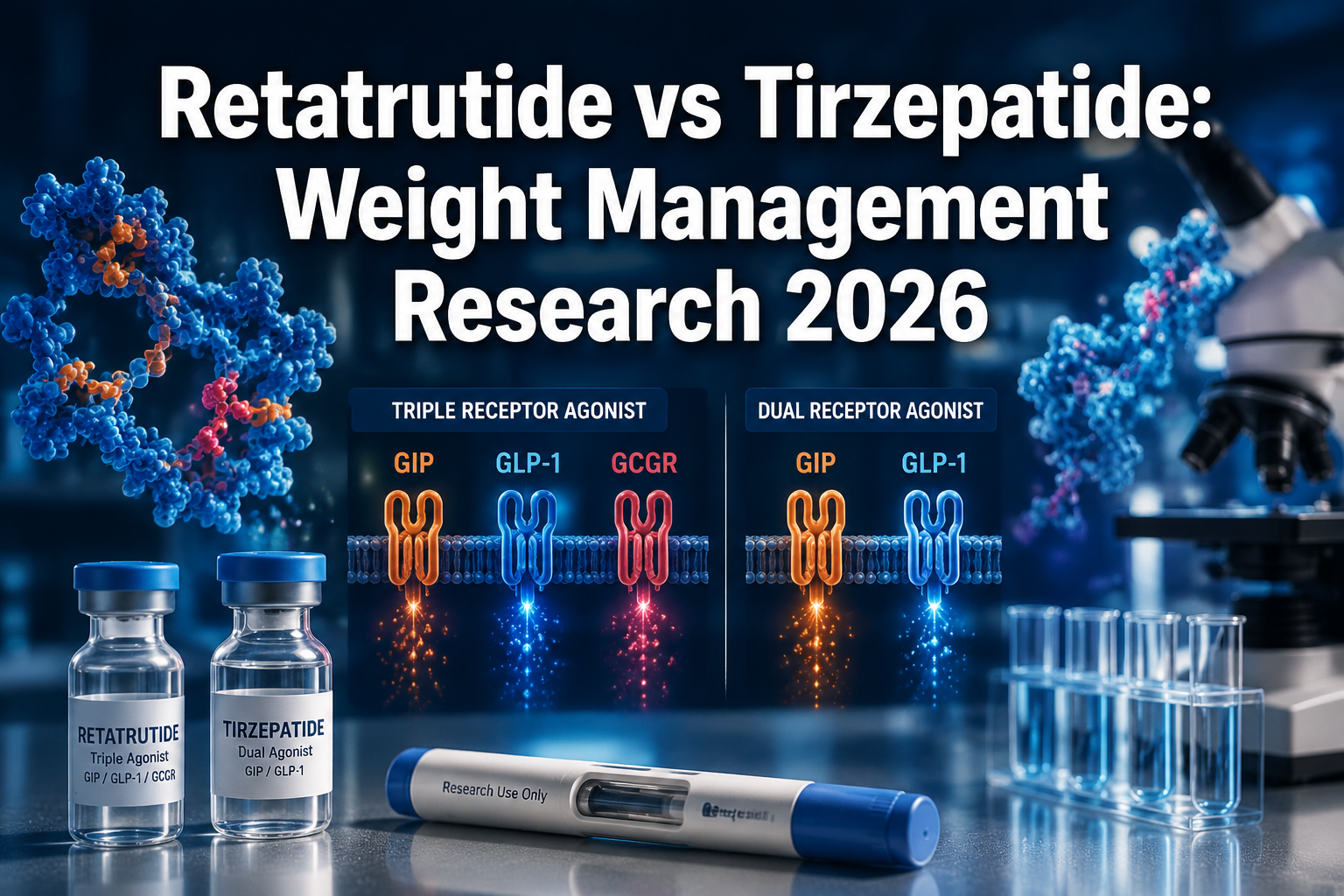
Confused on Retatrutide vs Tirzepatide for weight
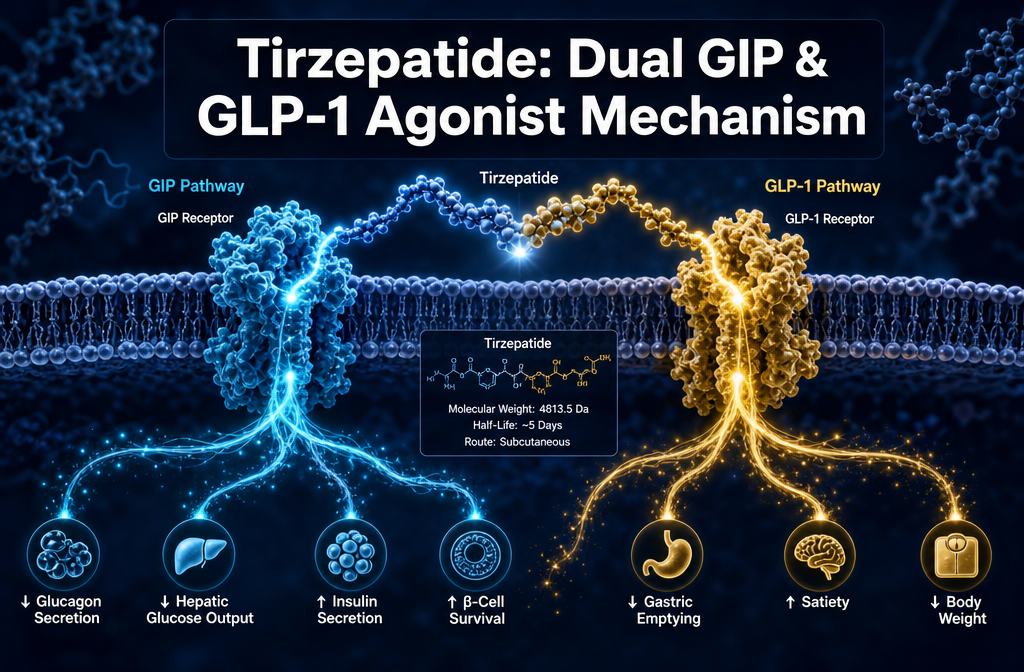
What is Tirzepatide dual GIP GLP-1 agonist