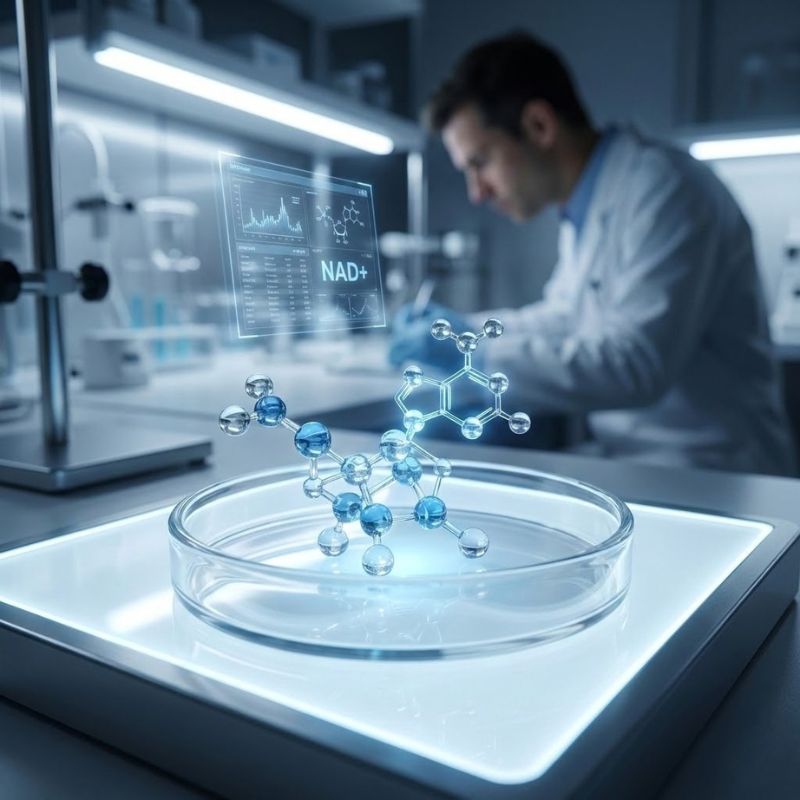
Nicotinamide adenine dinucleotide (NAD+) is a quintessential coenzyme found in all living cells, essential for fundamental biological processes. In recent years, the scientific community has directed significant attention toward the Benefits of NAD+ for anti-aging within the context of laboratory research. As an obligate cofactor for energy metabolism and a substrate for critical enzymatic reactions, NAD+ levels are known to precipitate with age in various model organisms. This decline is hypothesised to drive cellular senescence and metabolic dysfunction. Consequently, investigating the Benefits of NAD+ for anti-aging has become a primary focus for researchers aiming to understand longevity and cellular resilience.
The Role of NAD+ in Cellular Homeostasis
To fully appreciate the Benefits of NAD+ for anti-aging, one must first understand its dual role in the cell. NAD+ acts as a critical electron transporter in redox reactions, specifically within the mitochondria during oxidative phosphorylation. Furthermore, it serves as a substrate for enzymes such as sirtuins and poly (ADP-ribose) polymerases (PARPs). Research indicates that the Benefits of NAD+ for anti-aging are largely mediated through the activation of these pathways. When NAD+ availability is high in test subjects, these enzymes can effectively regulate gene expression, DNA repair, and stress resistance.
Mitochondrial Function and Energy Metabolism
A primary area where the Benefits of NAD+ for anti-aging are most evident is mitochondrial biogenesis. Mitochondria, often termed the powerhouses of the cell, rely heavily on NAD+ to convert nutrients into adenosine triphosphate (ATP). In ageing research models, depleted NAD+ levels correlate with compromised mitochondrial function. By restoring these levels in vitro, researchers have observed a restoration in energy output and a reduction in reactive oxygen species (ROS). This suggests that the Benefits of NAD+ for anti-aging include the maintenance of efficient bioenergetics, preventing the metabolic stagnation often associated with cellular ageing.
Sirtuin Activation and Genomic Stability
The sirtuin family of proteins (SIRT1-7) depends entirely on NAD+ to function. These proteins are often described as guardians of the genome. The Benefits of NAD+ for anti-aging are frequently linked to SIRT1 activation, which deacetylates proteins involved in cellular stress responses. In laboratory studies involving murine models, increased sirtuin activity—facilitated by adequate NAD+—has been shown to enhance DNA repair mechanisms and improve genomic stability. This connection highlights how the Benefits of NAD+ for anti-aging extend beyond simple energy production to the very preservation of the genetic code.
Neuroprotection and Cognitive Research
Emerging studies are also evaluating the Benefits of NAD+ for anti-aging in the context of neural health. Neurons are metabolically demanding and highly susceptible to oxidative stress. Research implies that maintaining NAD+ levels may offer neuroprotective effects. In models of neurodegeneration, the Benefits of NAD+ for anti-aging appear to include the preservation of synaptic plasticity and the reduction of axonal degeneration. While this remains a robust area of investigation, the preliminary data reinforces the molecule’s critical status in longevity science.
Future Directions in NAD+ Research
In summary, the Benefits of NAD+ for anti-aging are multifaceted, encompassing mitochondrial health, genomic stability, and neuroprotection. As the scientific understanding of this coenzyme deepens, it continues to offer promising avenues for research into extending healthspan. The Benefits of NAD+ for anti-aging remain a cornerstone of modern biogerontology, warranting continued rigorous study in controlled laboratory environments.