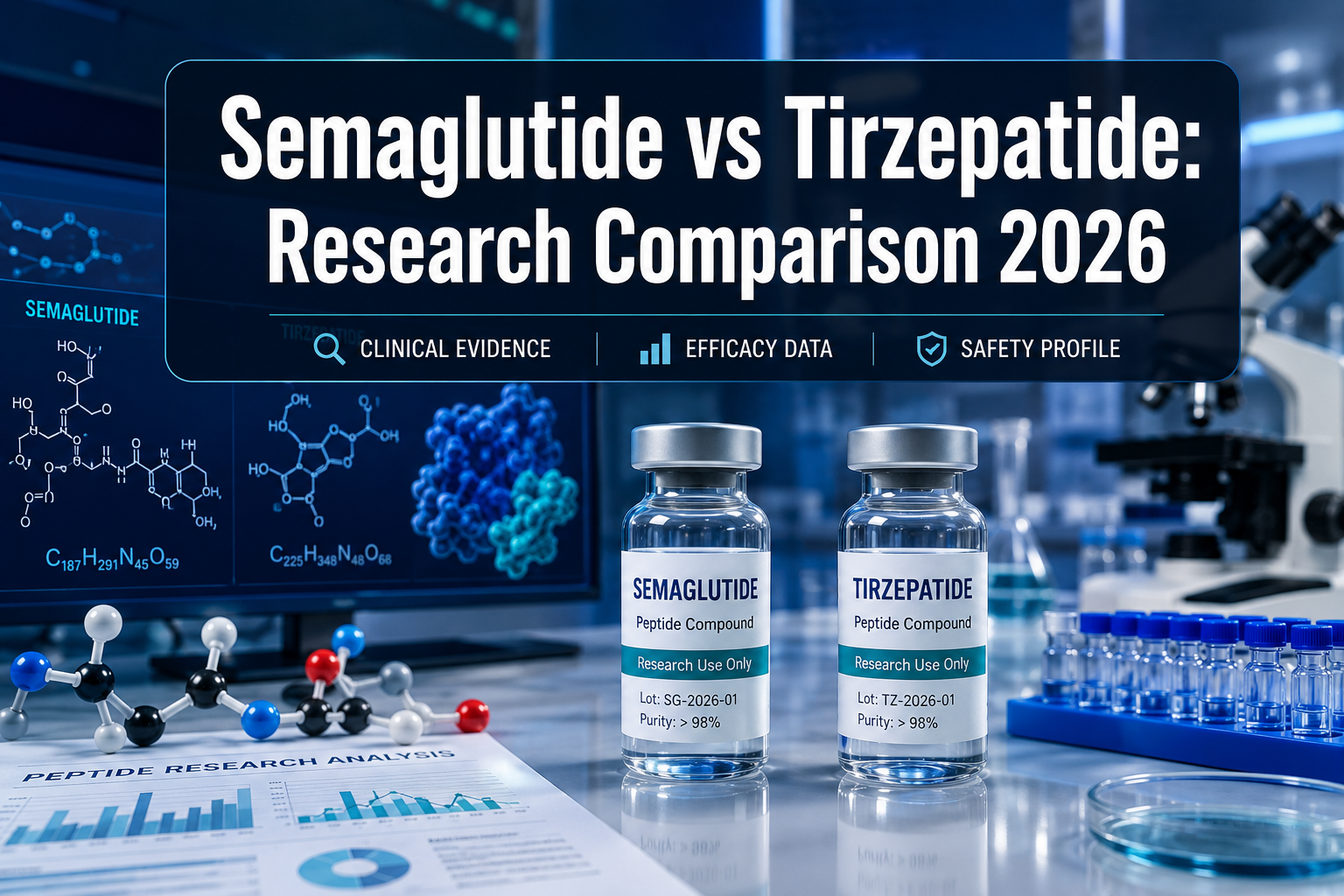
Semaglutide vs tirzepatide which is better for weight loss
Semaglutide vs tirzepatide which is better for


Quick Answer
Research peptide stacks are pre-formulated or custom combinations of two or more synthetic peptides designed to investigate multiple biological pathways simultaneously in a controlled laboratory setting. Qualified research professionals can buy research peptide stacks online from verified suppliers who provide independently tested compounds with documented purity standards and Certificates of Analysis. The key criteria when sourcing stacks online are confirmed purity (99%+), third party testing, transparent CoA documentation, compliant research use only terms, and reliable global shipping.
A research peptide stack is a combination of two or more synthetic peptides used within a single research protocol to investigate multiple biological pathways at once. Rather than studying one compound in isolation, researchers use stacks to examine how compounds with distinct but complementary mechanisms interact within a biological system.
For example, a tissue repair stack might combine BPC-157 and TB-500 — two compounds with different but overlapping mechanisms. BPC-157 promotes angiogenesis and activates FAK-paxillin signalling pathways, while TB-500 binds actin monomers to drive cell migration and extracellular matrix remodelling. Used together in preclinical models, they allow researchers to observe whether combined pathway activation produces outcomes that neither compound achieves alone.
Pre-formulated stacks, such as those available through Sempica’s Stacks & Complexes catalogue, are blended at defined ratios and supplied as a single lyophilised compound, simplifying protocol setup. Custom stacks require researchers to source individual compounds and combine them according to their own protocol design.
Key mechanisms explored through peptide stacks:
In most jurisdictions, synthetic research peptides are legal to purchase for qualified laboratory and research use, provided they are not sold for human consumption, therapeutic application, or veterinary use without appropriate licensing. The legal status is not uniform globally and is subject to ongoing regulatory change [1].
The distinction that matters most is intended use. Research-grade peptides sold with clear research-use-only declarations occupy a different regulatory category from pharmaceutical drugs or licensed medicines. However, the regulatory environment is tightening: industry analysts have noted increasing scrutiny of online peptide vendors, with a clear trajectory toward stricter oversight of how compounds are marketed and sold [1].
What this means for researchers:
“All products are intended for research purposes only. They are not for human consumption, medical use, or therapeutic application.” — Sempica Healthcare compliance statement
For a detailed overview of import and shipping compliance, review Sempica’s shipping and customs disclaimer.
Most reputable suppliers require purchasers to confirm they are qualified research professionals using compounds strictly for laboratory purposes. There is no universal licensing requirement across all jurisdictions, but suppliers operating to a high compliance standard will require a declaration at the point of purchase.
At Sempica, buyers confirm at checkout that they are qualified professionals using products exclusively for laboratory research. This is not a bureaucratic formality — it is a compliance mechanism that protects both the researcher and the supplier. Some jurisdictions may require institutional affiliation, a research licence, or import permits for specific compound classes.
Practical steps before ordering:
The cost of research peptide stacks varies based on compound complexity, total peptide quantity, formulation type, and supplier quality standards. Pre-formulated stacks from verified suppliers typically range from moderate to premium pricing, reflecting the cost of synthesis, independent purity testing, and quality documentation.
As a general reference point, single-compound research peptides from quality suppliers start at lower price points, while multi-compound stacks — particularly those containing larger quantities of complex peptides such as Tirzepatide or Retatrutide — carry higher price tags due to synthesis complexity. For example, Sempica’s Klow Stack (80mg) combines GHK-Cu, BPC-157, TB-500, and KPV in a single formulation.
Factors that influence pricing:
Decision rule: If a stack is priced significantly below market rates from an established supplier, treat this as a quality signal — not a bargain. Sub-standard synthesis or inadequate purity testing is the most common explanation for anomalously low pricing.
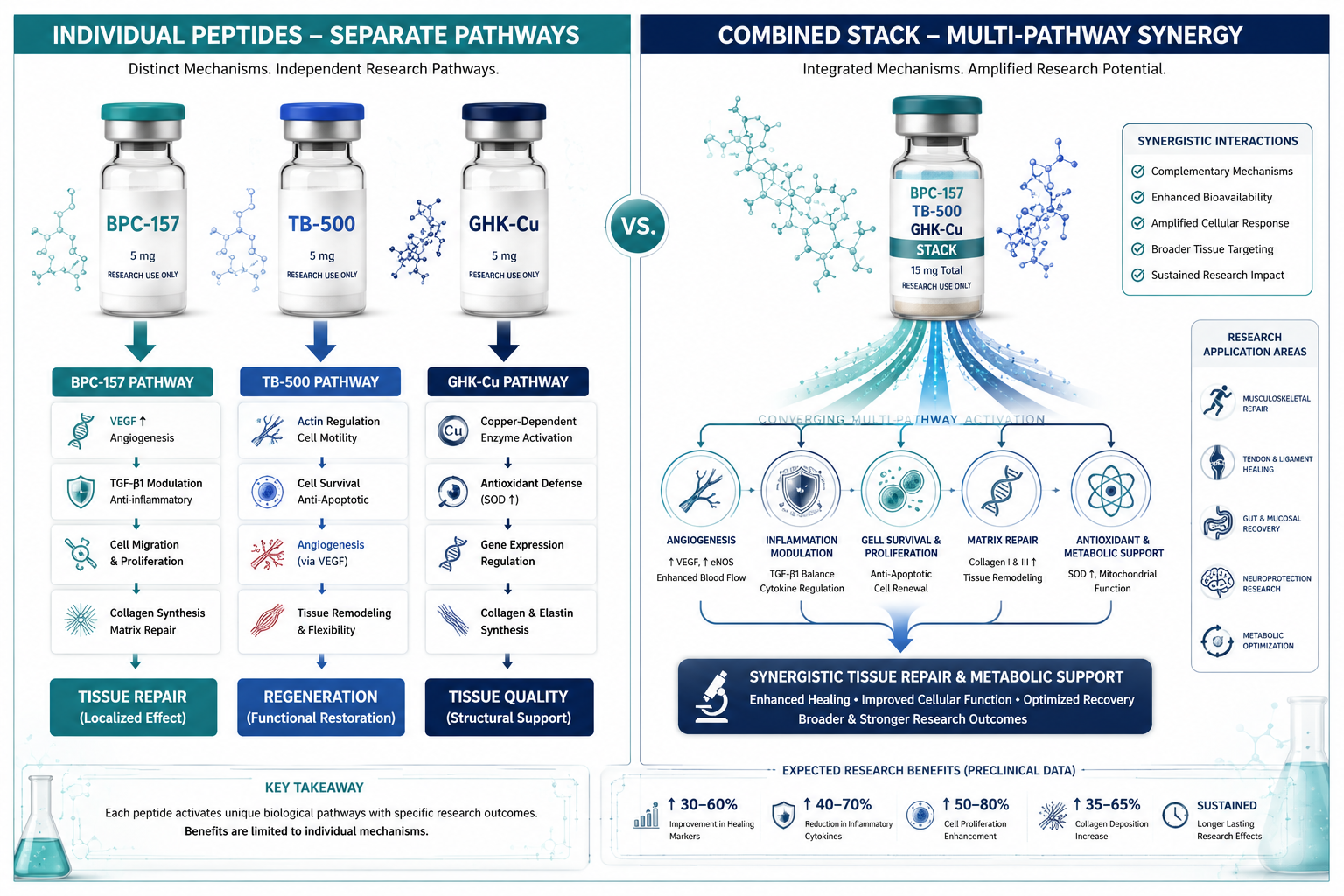
The most reliable way to buy research peptide stacks online is to evaluate suppliers against a defined set of quality and compliance criteria before placing an order. No single metric is sufficient — the combination of purity documentation, testing transparency, compliance standards, and operational reliability determines whether a supplier is trustworthy.
Sempica Healthcare (sempicahealthcare.ch) maintains a 99.8% purity standard across all compounds, independently verified through third-party testing, and provides a Certificate of Analysis for every product. The platform ships to 70+ countries, operates a fully digital storefront, and enforces research-use-only compliance at the point of sale. For researchers exploring GLP-1 and GIP multi-pathway metabolic compounds or metabolic and energy research compounds, the catalogue covers the full range of relevant stacks.
Supplier evaluation checklist:
For a detailed guide on sourcing genuine compounds, see Sempica’s research guide on how to buy genuine peptides online for laboratory use.
Peptide stacks used in musculoskeletal and body composition research are selected based on the specific biological pathways under investigation. These are distinct research domains with different compound profiles, though some overlap exists.
Musculoskeletal and recovery research stacks typically combine compounds that promote tissue repair, angiogenesis, and growth hormone secretagogue activity. BPC-157 and TB-500 are among the most studied combinations in this area, with preclinical investigations exploring tendon, ligament, and muscle repair mechanisms. Growth hormone secretagogue stacks — such as CJC-1295 combined with Ipamorelin — are used in endocrine and growth hormone research to examine pulsatile GH release and downstream anabolic signalling.
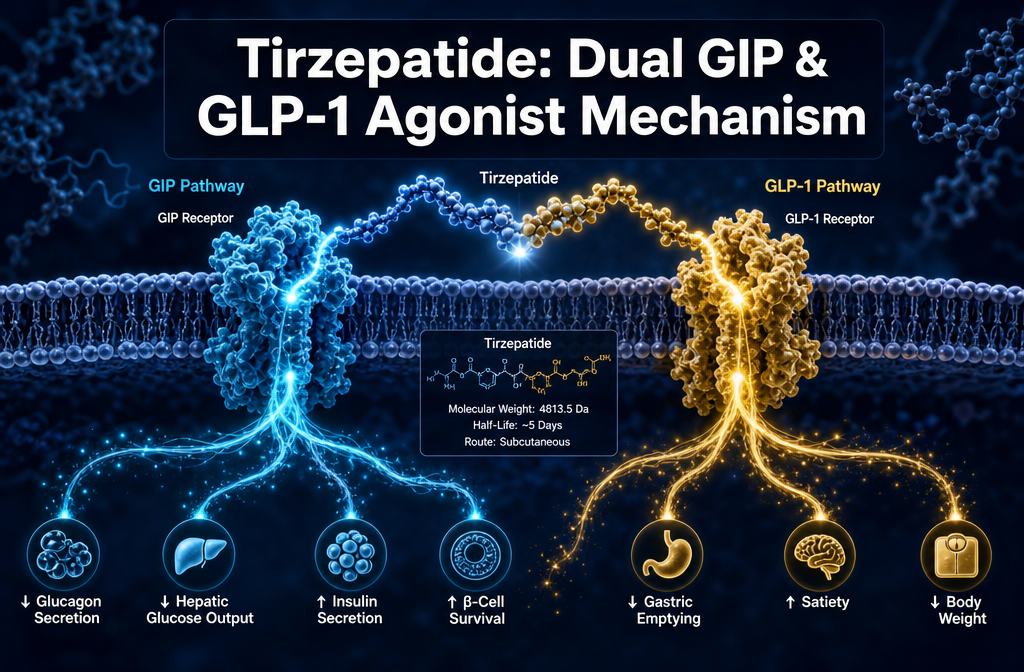
Metabolic and body composition research stacks focus on lipolysis, appetite regulation, and insulin sensitivity. Compounds such as Semaglutide, Tirzepatide, and Retatrutide are used individually and in combination to model multi-receptor agonism. Tirzepatide’s dual GIP/GLP-1 mechanism and Retatrutide’s triple receptor activity make them particularly relevant for comparative studies [7].
| Research Focus | Representative Compounds | Primary Pathways |
|---|---|---|
| Musculoskeletal repair | BPC-157, TB-500, GHK-Cu | Angiogenesis, actin dynamics, ECM remodelling |
| Growth hormone secretion | CJC-1295, Ipamorelin, Sermorelin | GHRH receptor, somatotroph signalling |
| Metabolic/body composition | Semaglutide, Tirzepatide, Retatrutide | GLP-1, GIP, glucagon receptors |
| Longevity/cellular ageing | Epithalon, NAD+, MOTS-c | Telomerase, AMPK, sirtuin pathways |
Several compounds consistently appear across high-activity research areas in 2026, based on their well-characterised mechanisms and the volume of preclinical literature supporting their investigation.
BPC-157 remains one of the most widely used compounds in tissue repair and gastrointestinal research, with a mechanism centred on angiogenesis promotion and nitric oxide modulation. TB-500 is frequently paired with BPC-157 in recovery research protocols due to its complementary actin-binding mechanism. In metabolic research, Tirzepatide and Retatrutide represent the current frontier of incretin-based investigation, with Retatrutide’s triple-receptor activity making it the most mechanistically complex compound in this class [8].
For longevity research, Epithalon (telomerase activation), NAD+ (mitochondrial metabolism and DNA repair), and MOTS-c (AMPK signalling) are among the most active areas. Cognitive and neuroendocrine research increasingly involves compounds such as Semax and Selank, which are explored for their effects on BDNF expression and neurological stress response pathways. For neuro-circadian research applications, Sempica’s neuro-circadian research peptide resources provide additional context.
Proper handling of research peptides requires a defined set of laboratory equipment. Inadequate preparation is one of the most common reasons for compound degradation and compromised research outcomes.
Essential equipment for peptide research:
Reconstitution protocol summary: Allow the lyophilised vial to reach room temperature before opening. Inject bacteriostatic water slowly down the inside wall of the vial — never directly onto the powder. Swirl gently until dissolved. Label with the reconstitution date. For a full technical guide, see Sempica’s comprehensive laboratory guide on how to mix and store peptides.
Lyophilised research peptides are stable at -20°C until their expiry date when stored correctly. Reconstituted solutions must be kept at 2–8°C and used within 28 days; they must never be frozen after reconstitution, as freeze-thaw cycles degrade peptide integrity.
Shipping requirements vary by compound and distance. Reputable suppliers use cold-chain packaging for temperature-sensitive compounds and provide clear handling instructions with each order. Sempica ships to 70+ countries with secure, direct-to-door delivery. Researchers should plan to transfer compounds to appropriate cold storage immediately upon receipt.
Storage reference by state:
| Compound State | Temperature | Maximum Duration | Key Precaution |
|---|---|---|---|
| Lyophilised powder | -20°C | Until expiry | Away from light and moisture |
| Reconstituted solution | 2–8°C | 28 days | Never freeze; label with date |
| In-use working solution | 2–8°C | Per protocol | Avoid repeated temperature cycling |
NAD+ and light-sensitive compounds (e.g., Melanotan II) require additional protection from light exposure even in lyophilised form.
The most consequential mistakes researchers make when sourcing peptide stacks online fall into three categories: supplier selection errors, handling failures, and compliance oversights.
Supplier selection errors:
Handling failures:
Compliance oversights:
A compound without a verifiable CoA is not a research compound — it is an unknown substance. No credible research protocol can be built on unverified inputs.
Research peptide protocols carry scientific and operational risks that qualified researchers must account for in their study design. These are not risks of human harm from consumption — all Sempica compounds are for laboratory research only — but risks to research validity and compound integrity.
Scientific risks:
Operational risks:
Regulatory risk is also increasing. Industry analysis from 2025 indicates that the peptide marketplace is under growing scrutiny, with a clear direction toward stricter standards for how compounds are sourced, sold, and used [1]. Researchers who source from compliant, documented suppliers are better positioned as this landscape evolves.
Professional researchers select peptide combinations based on the specific biological questions their study is designed to answer, not on general interest in a compound class. The selection process starts with mechanism, not compound name.
A structured selection framework:
AI-assisted protocol tools are emerging as a resource for researchers designing complex stacks, with platforms referencing large bodies of preclinical literature to support protocol development [2]. However, these tools supplement — rather than replace — the researcher’s own mechanistic understanding and experimental design expertise.
For researchers investigating the Wolverine Stack or the Glow Stack, Sempica’s pre-formulated options provide defined compound ratios designed to support multi-pathway research from the outset.
Buying research peptide stacks online from a verified supplier is the most accessible route for most independent and institutional researchers, but it is not the only option.
Alternative sourcing routes:
For most independent laboratories and research professionals, buying research peptide stacks online from a supplier like Sempica offers the best balance of accessibility, purity documentation, and turnaround time. The 100% digital ordering process, global shipping to 70+ countries, and per-batch CoA documentation make it a practical choice for researchers who need reliable compounds without institutional procurement delays.
Q: What does “research use only” mean when buying peptide stacks online?
A: It means the compounds are sold exclusively for use in controlled laboratory settings by qualified research professionals. They are not approved for, and must not be used for, human consumption, self-administration, or therapeutic purposes.
Q: What purity level should research peptide stacks meet?
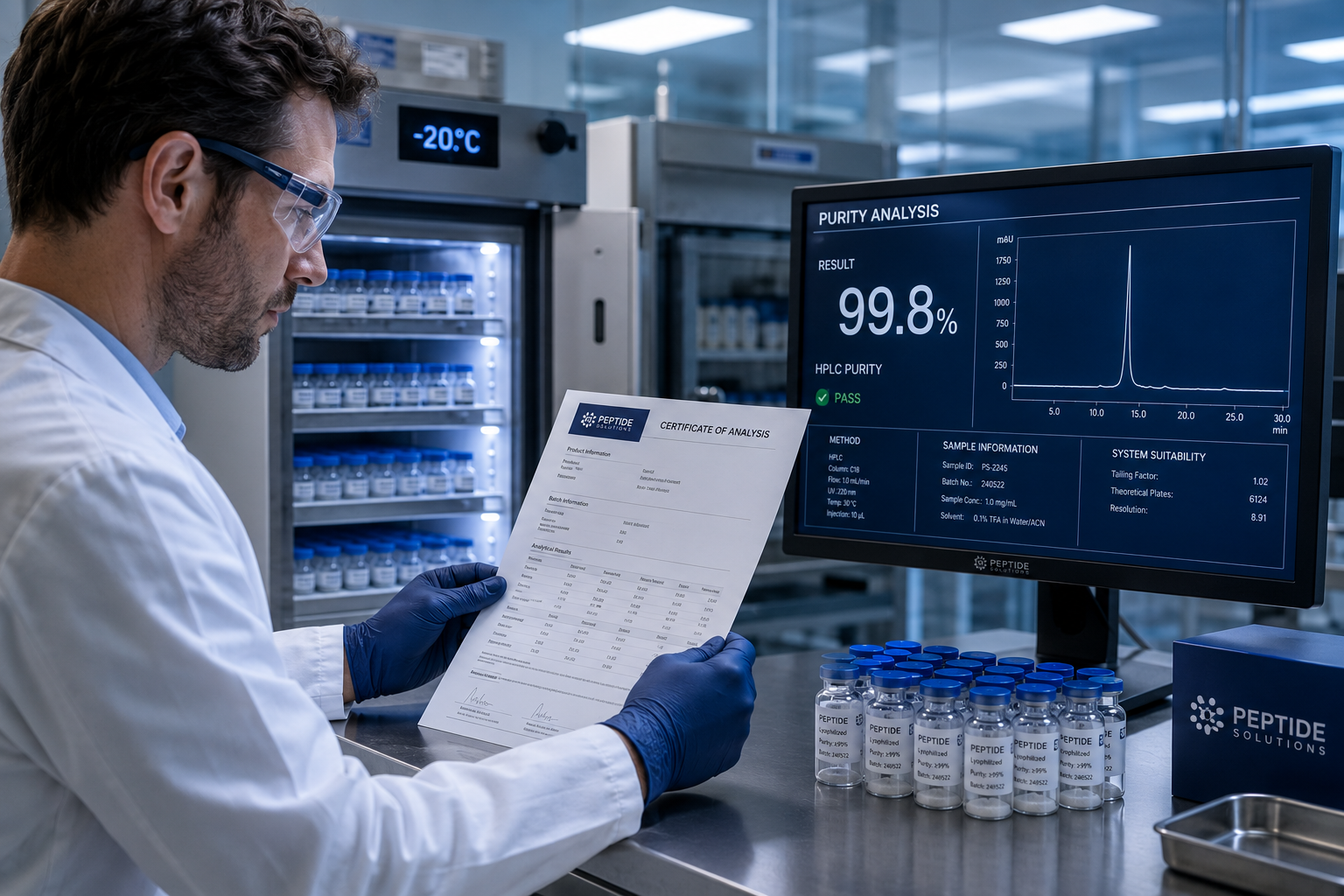
A: A minimum of 99% purity is the accepted standard for research-grade compounds. Sempica maintains a 99.8% purity standard, independently verified through third-party testing and documented in a Certificate of Analysis for each product.
Q: Can anyone buy research peptide stacks online, or are credentials required?
A: Reputable suppliers require purchasers to confirm they are qualified research professionals. While formal licensing requirements vary by jurisdiction, buyers must declare that products will be used strictly for laboratory research.
Q: How should peptide stacks be stored after delivery?
A: Lyophilised powders should be transferred to a -20°C freezer immediately upon receipt, away from light and moisture. Reconstituted solutions must be stored at 2–8°C and used within 28 days. Never freeze a reconstituted solution.
Q: What is a Certificate of Analysis and why does it matter?
A: A Certificate of Analysis (CoA) is a document from an independent testing laboratory confirming the identity, purity, and potency of a compound. It is the primary quality assurance document for research compounds — without it, purity claims cannot be verified.
Q: Are pre-formulated stacks better than custom combinations?
A: Pre-formulated stacks offer consistent compound ratios and simplified protocol setup. Custom combinations allow greater flexibility for specific research designs. The choice depends on whether the research question fits a standard multi-pathway model or requires a tailored compound profile.
Q: How long does shipping take for research peptide stacks?
A: Delivery timelines vary by destination. Sempica ships to 70+ countries with secure, direct-to-door delivery. Researchers should review the shipping and customs disclaimer for country-specific information.
Q: What is the difference between a peptide stack and a single research compound?
A: A single compound targets one mechanism or receptor pathway. A peptide stack combines two or more compounds to investigate multiple pathways simultaneously, enabling researchers to study synergistic or complementary biological interactions within a single protocol.
Q: Is it safe to mix peptide compounds from different suppliers in a stack?
A: This introduces a significant variable. Compounds from different suppliers may have different purity levels, excipients, or degradation profiles. For research validity, sourcing all stack components from a single verified supplier with consistent quality standards is strongly recommended.
Q: What happens if a peptide compound is stored incorrectly?
A: Incorrect storage — particularly exposure to heat, light, or moisture — degrades peptide integrity, reducing purity and compromising research outcomes. Freeze-thaw cycling of reconstituted solutions is particularly damaging. Degraded compounds produce unreliable experimental data.
The decision to buy research peptide stacks online is, at its core, a quality decision. The compounds that enter a research protocol determine the validity of every result that follows. Sourcing from a supplier who cannot provide batch-specific purity documentation, enforces no compliance standards, and makes therapeutic claims is not a cost-saving measure — it is a research risk.
Actionable next steps for qualified research professionals:
Sempica Healthcare provides 1,000+ research compounds — including a dedicated Stacks & Complexes range — to researchers in 70+ countries, all produced to a 99.8% purity standard with independent CoA documentation. For researchers who need compounds they can depend on, the Sempica shop is the starting point.
Products sold on this website are intended for research purposes only. They are not for human consumption, medical use, or therapeutic application. By purchasing from this website, you confirm that you are a qualified professional and will use these products strictly for laboratory research.
[1] Industry Watch: What the Changing Landscape Around Peptide Sciences Signals for the Future of Peptide Therapy – https://0e190a550a8c4c8c4b93-fcd009c875a5577fd4fe2f5b7e3bf4eb.ssl.cf2.rackcdn.com/EINPresswire-901528409-industry-watch-what-the-changing-landscape-around-peptide-sciences-signals-for-the-future-of-peptide-therapy-2.pdf?utm_source=openai
[2] PepsGPT – https://pepsgpt.com/?utm_source=openai
[4] PeptidePro – https://peptidepro.site/?utm_source=openai
[7] Palmetto Peptides Stacks – https://palmettopeptides.com/collections/stacks?utm_source=openai
[8] Peptide Stacks Guide — Evolve Telemed – https://evolvetelemed.com/wp-content/uploads/2025/11/PeptideStacksGuide_Evolve.pdf.pdf?utm_source=openai
Semaglutide vs tirzepatide which is better for
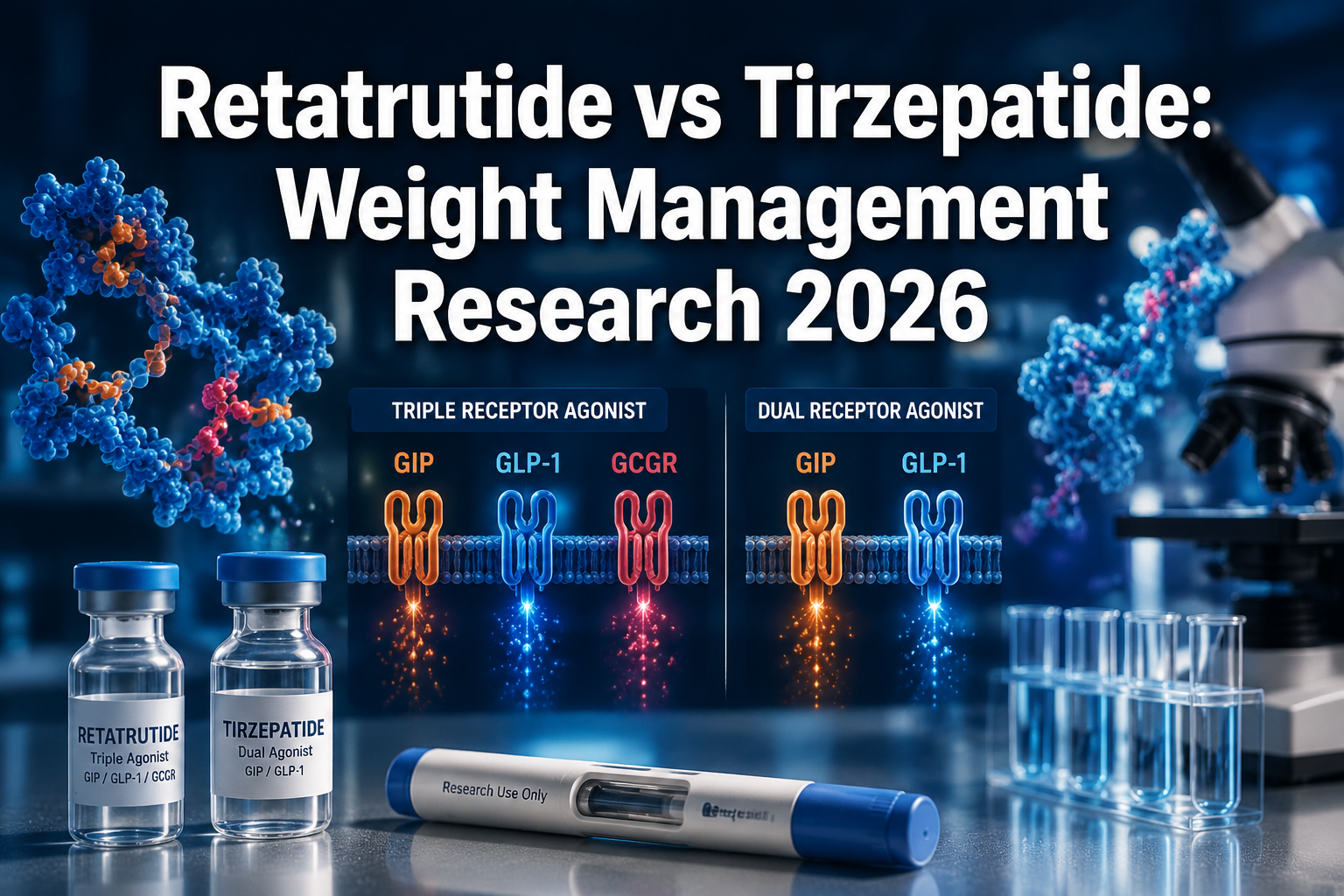
Confused on Retatrutide vs Tirzepatide for weight
What is Tirzepatide dual GIP GLP-1 agonist