Semaglutide vs tirzepatide which is better for weight loss
Semaglutide vs tirzepatide which is better for

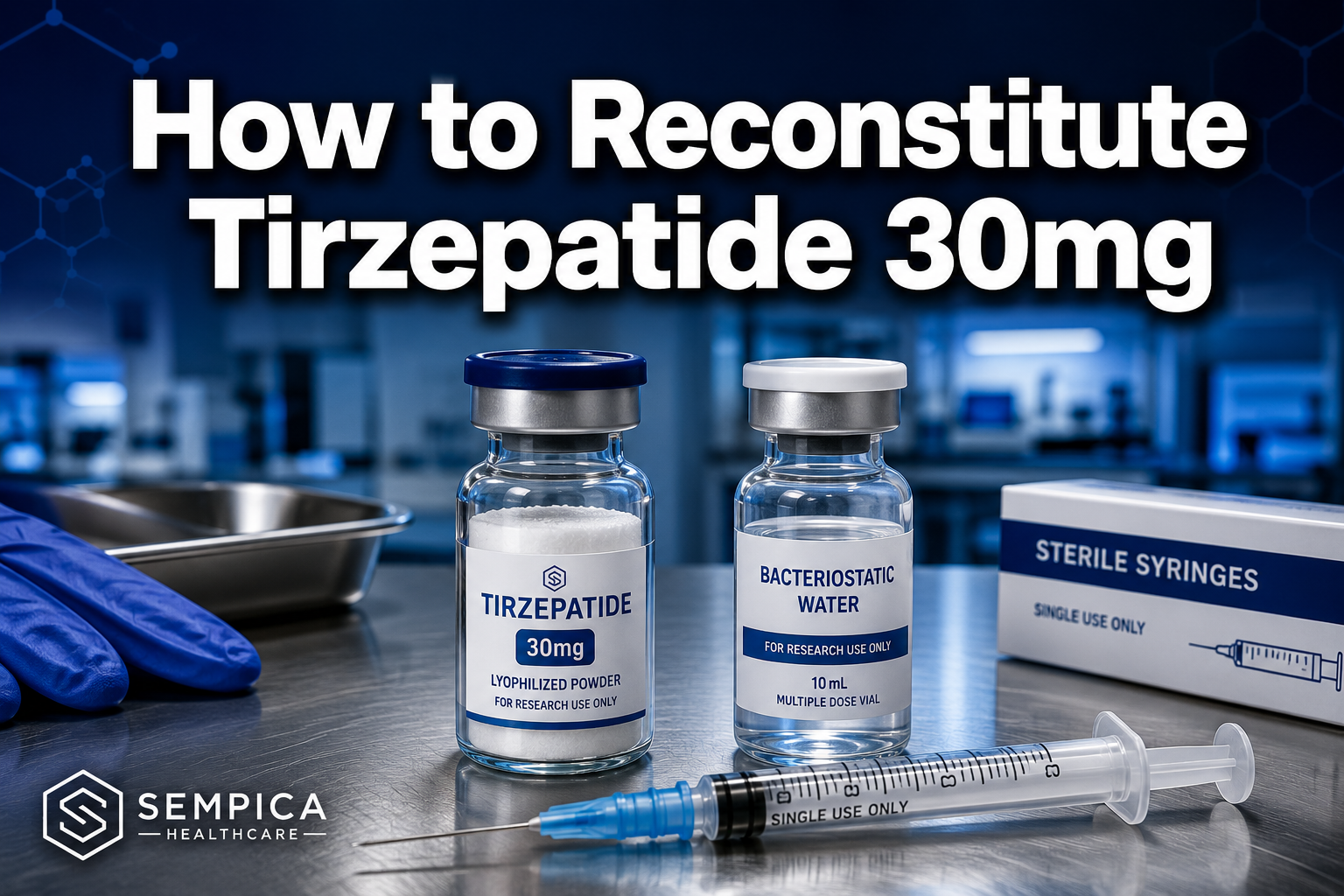
Quick Answer: To reconstitute a tirzepatide 30mg vial for research use, add 3.0mL of bacteriostatic water to the lyophilised powder, injecting slowly along the inner vial wall. This yields a working concentration of 10mg/mL. Store the reconstituted solution at 2–8°C and use within 28 days. This protocol applies strictly to qualified research professionals working in controlled laboratory settings.
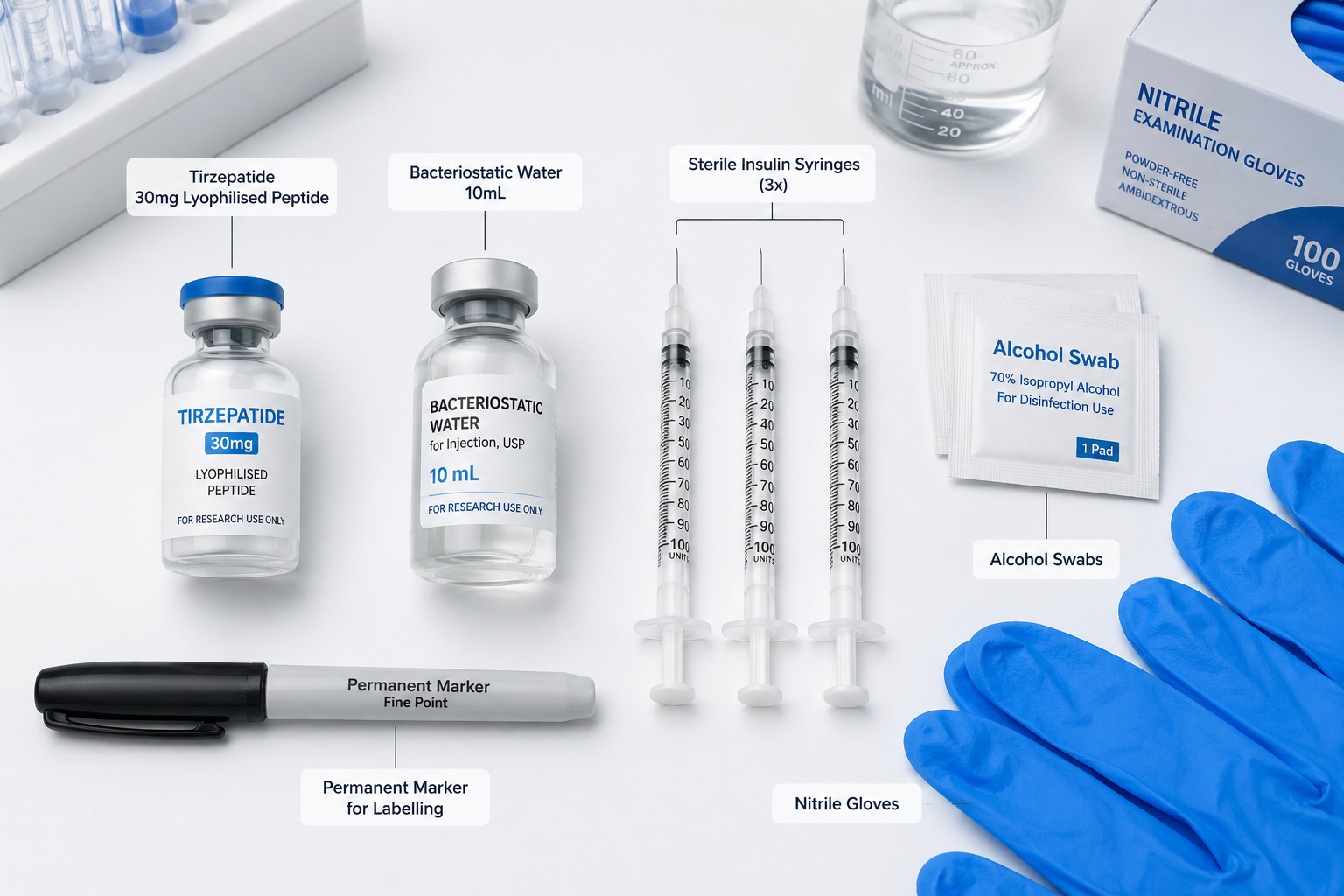
Successful reconstitution of a tirzepatide 30mg vial requires a specific set of laboratory supplies. Using incorrect equipment — particularly non-sterile syringes or the wrong diluent — introduces contamination risk and can compromise the integrity of the research compound.
Required supplies:
Decision rule: Use bacteriostatic water if the reconstituted solution will be used across multiple research sessions. Use sterile water only if the entire vial will be consumed within a single session (within 24 hours), as sterile water contains no preservative.
One item frequently overlooked is the CoA. Before reconstituting any research compound, verify that the batch-specific CoA confirms identity, purity, and potency. For guidance on sourcing verified research compounds, see Sempica’s guide to buying genuine peptides online for laboratory use.
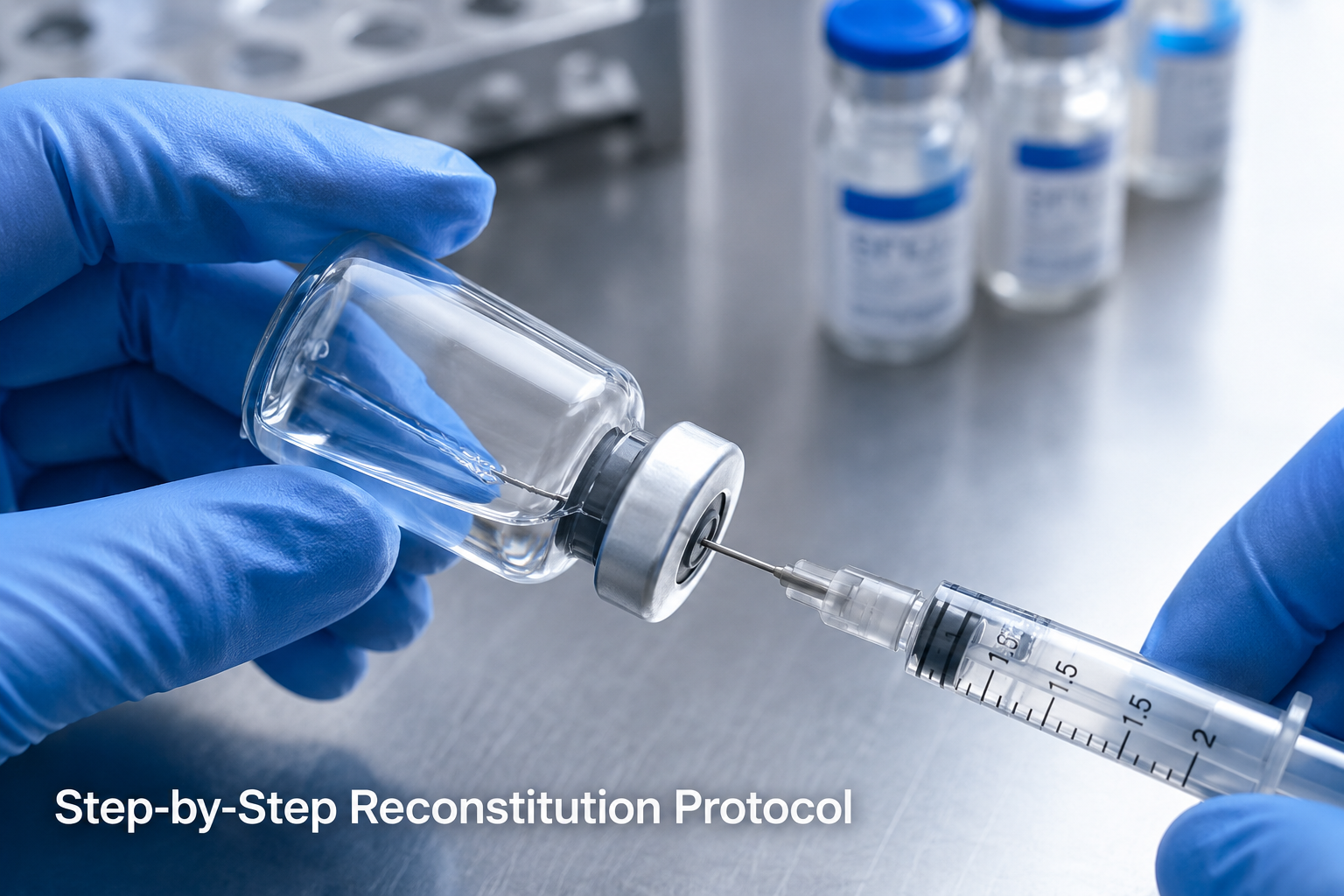
Reconstituting a tirzepatide 30mg vial correctly takes approximately five minutes when the correct technique is followed. The sequence below is the standard protocol used in research settings [3][8].
Step 1 — Allow the vial to reach room temperature. Remove the lyophilised tirzepatide vial from -20°C storage and allow it to equilibrate to room temperature for 15–20 minutes. Attempting to reconstitute a cold vial can cause uneven dissolution.
Step 2 — Wash hands and put on gloves. Maintain sterile technique from this point forward.
Step 3 — Disinfect both vial stoppers. Wipe the rubber stopper of the tirzepatide vial and the bacteriostatic water vial with separate alcohol swabs. Allow to air-dry for 30 seconds — do not blow on them or fan them dry.
Step 4 — Draw the diluent. Insert a sterile syringe into the bacteriostatic water vial and draw 3.0mL (for a standard 10mg/mL concentration). Confirm the volume against the syringe graduation markings before withdrawing.
Step 5 — Inject slowly along the vial wall. Insert the needle through the tirzepatide vial stopper and angle it so the stream of bacteriostatic water runs down the inner glass wall rather than directly onto the powder cake. Inject slowly and steadily. This technique minimises foaming and mechanical stress on the peptide [3].
Step 6 — Swirl gently to dissolve. Once all the diluent has been added, gently swirl the vial in a slow circular motion. Do not shake or vortex. The powder should dissolve into a clear, colourless solution within 30–60 seconds. If any particulate matter remains after two minutes of gentle swirling, do not use the solution.
Step 7 — Label the vial. Write the reconstitution date and concentration (10mg/mL) on the vial using a permanent marker. Refrigerate immediately at 2–8°C.
For a broader reference on peptide mixing and storage across compound classes, Sempica’s comprehensive laboratory guide to mixing and storing peptides provides additional protocol detail.
The standard reconstitution for a tirzepatide 30mg vial uses 3.0mL of bacteriostatic water, yielding 10mg/mL. However, research protocols may require different working concentrations depending on the dose volumes involved [1][2].
| Bacteriostatic Water Added | Resulting Concentration | Notes |
|---|---|---|
| 1.5mL | 20mg/mL | Higher concentration; smaller injection volumes per dose |
| 2.0mL | 15mg/mL | Intermediate option for mid-range dose protocols |
| 3.0mL | 10mg/mL | Standard; recommended for most research protocols |
| 6.0mL | 5mg/mL | Lower concentration; larger injection volumes per dose |
At the standard 10mg/mL concentration, dose volumes on a U-100 insulin syringe correspond as follows [2]:
| Research Dose | Syringe Units (U-100) | Volume |
|---|---|---|
| 2.5mg | 25 units | 0.25mL |
| 5.0mg | 50 units | 0.50mL |
| 7.5mg | 75 units | 0.75mL |
| 10.0mg | 100 units | 1.00mL |
| 12.5mg | 125 units | 1.25mL |
| 15.0mg | 150 units | 1.50mL |
Common mistake: Researchers sometimes confuse units with milligrams. On a U-100 syringe at 10mg/mL, 1 unit = 0.01mL = 0.1mg. Confirming the concentration before drawing any volume is essential for accurate dosing in research protocols.
Measurement precision in reconstitution is not optional — it directly determines the accuracy of every dose drawn from that vial. A 10% error in the volume of bacteriostatic water added produces a 10% error in concentration, which propagates through every subsequent measurement taken from the vial [4].
For a 30mg vial, the target is 3.0mL ± 0.05mL when using the standard 10mg/mL protocol. Standard U-100 insulin syringes with 0.01mL graduation markings are sufficient for this level of precision. Larger syringes (5mL or 10mL) have coarser graduation intervals and introduce greater measurement error — avoid them for this step.
Edge case: If the syringe draws slightly more or less than the target volume, note the actual volume added and recalculate the true concentration before proceeding. For example, if 3.1mL is inadvertently added, the actual concentration is 30mg ÷ 3.1mL = 9.68mg/mL, not 10mg/mL.
Reconstituted tirzepatide solution must be stored at 2–8°C (standard laboratory refrigerator temperature) immediately after preparation. At this temperature, the solution remains stable for up to 28 days when bacteriostatic water has been used as the diluent.
Storage rules for tirzepatide 30mg:
Tirzepatide’s 39-amino acid structure with a C20 fatty diacid moiety makes it more structurally complex than shorter peptides, and its stability in solution is sensitive to both temperature excursions and repeated freeze-thaw cycles. Researchers working with related GLP-1/GIP pathway compounds can find further storage reference in Sempica’s GLP/GIP multi-pathway metabolic research peptide catalogue.
Several reconstitution errors occur consistently across laboratory settings. Most are preventable with correct technique and equipment [8].
Mistake 1 — Injecting directly onto the powder. Directing the diluent stream onto the lyophilised cake creates mechanical shear stress that can denature the peptide. Always angle the needle so liquid runs down the vial wall.
Mistake 2 — Shaking the vial. Vortexing or vigorous shaking introduces air bubbles and mechanical stress. Gentle swirling is the correct technique.
Mistake 3 — Using sterile water for multi-session protocols. Sterile water contains no bacteriostatic agent. Solutions prepared with sterile water must be used within 24 hours. Using them beyond this window introduces contamination risk.
Mistake 4 — Skipping stopper disinfection. Each needle insertion is a potential contamination event. Disinfect the stopper with a fresh alcohol swab before every insertion, not just the first.
Mistake 5 — Reconstituting from a frozen state. Adding diluent to a vial that has not fully equilibrated to room temperature can result in incomplete dissolution and uneven concentration throughout the solution.
Mistake 6 — Failing to label the vial. Without a reconstitution date, there is no reliable way to confirm whether a solution is within its 28-day stability window. Label every vial immediately after reconstitution.
Mistake 7 — Using an incorrect diluent. Acidic diluents or saline solutions are not appropriate for tirzepatide reconstitution. Bacteriostatic water is the standard choice.
Yes — errors in reconstitution can compromise both the safety of the laboratory environment and the scientific validity of the research. This is not a minor procedural concern.
Risks from incorrect reconstitution include:
Critical point: A solution that appears visually clear is not automatically safe or correctly prepared. Verification of preparation technique, diluent identity, and storage conditions are all necessary components of a valid research protocol.
Reconstitution of tirzepatide 30mg is a laboratory procedure that requires sterile technique, calibrated equipment, and a controlled environment. It is not appropriate for unsupervised non-laboratory settings.
Individuals without formal training in aseptic technique, access to appropriate sterile supplies, or a controlled laboratory environment should not attempt this procedure. The risks — including microbial contamination, incorrect concentration, and peptide degradation — are significant and directly affect the integrity of any research data generated.
Sempica’s tirzepatide 30mg is supplied exclusively for research use by qualified research professionals. It is not intended for, and must not be used for, human consumption, self-administration, or therapeutic application. This is a non-negotiable compliance requirement. For full terms governing the purchase and use of research compounds, see Sempica’s terms and conditions.
Mounjaro is the FDA-approved, commercially manufactured tirzepatide product supplied in pre-filled, single-dose injection pens at fixed concentrations. Compounded tirzepatide — and research-grade tirzepatide supplied by specialist providers — is supplied as a lyophilised powder in multi-dose vials that require reconstitution before use.
Key distinctions relevant to research settings:
| Feature | Mounjaro (Branded) | Research-Grade Lyophilised Tirzepatide |
|---|---|---|
| Form | Pre-filled pen, ready to use | Lyophilised powder, requires reconstitution |
| Concentration | Fixed (manufacturer-set) | Variable (researcher-determined) |
| Intended use | Clinical/therapeutic (human) | Research use only |
| Regulatory status | FDA-approved drug | Research compound |
| Additives | Proprietary formulation | Bacteriostatic water as standard diluent |
| Purity verification | Manufacturer QC | CoA from independent testing |
An important note: Eli Lilly has raised concerns about impurities identified in certain compounded tirzepatide formulations, particularly those combined with vitamin B12 [5]. This underscores the importance of sourcing research-grade tirzepatide from suppliers who provide independently verified CoAs and maintain rigorous purity standards. Researchers requiring higher-dose tirzepatide formats may also reference Sempica’s tirzepatide 60mg research compound for extended protocol requirements.
For researchers exploring related incretin-based compound research, Sempica’s retatrutide 20mg — a triple GLP-1/GIP/glucagon receptor agonist — represents the next tier of metabolic pathway research compounds.
Reconstituted tirzepatide solution prepared with bacteriostatic water is stable for up to 28 days when stored at 2–8°C. This stability window assumes correct preparation technique, unbroken cold chain, and no contamination events during storage or use.
If sterile water (without benzyl alcohol preservative) is used instead of bacteriostatic water, the solution must be used within 24 hours of preparation. Beyond this window, bacterial growth risk increases substantially and the solution should be discarded.
Stability summary:
In a research context, reconstitution by a qualified research professional is standard practice — no pharmacist is required for laboratory research protocols. However, the procedure must be performed with proper aseptic technique, appropriate supplies, and in a controlled laboratory environment.
The question of whether a pharmacist is needed typically arises in clinical or compounding pharmacy contexts, which are outside the scope of research compound use. Compounding pharmacies operate under separate regulatory frameworks and may prepare tirzepatide formulations for specific clinical applications [6]. Research-grade tirzepatide supplied for laboratory investigation is a separate category entirely and is governed by research-use-only compliance requirements.
Q: What is the standard concentration for a reconstituted tirzepatide 30mg vial?
A: Adding 3.0mL of bacteriostatic water to a 30mg vial yields a standard working concentration of 10mg/mL. This is the most widely used concentration in research protocols [1].
Q: Can bacteriostatic water be substituted with normal saline?
A: Normal saline is not recommended as a diluent for tirzepatide reconstitution. Bacteriostatic water is the standard choice. Saline may affect peptide stability and does not provide the same bacteriostatic protection.
Q: How do I know if my tirzepatide has reconstituted correctly?
A: A correctly reconstituted solution is clear, colourless, and free of visible particles. If the solution is cloudy, discoloured, or contains floating matter after two minutes of gentle swirling, discard it.
Q: What happens if I accidentally freeze the reconstituted solution?
A: Freezing a reconstituted peptide solution causes ice crystal formation that disrupts the peptide’s three-dimensional structure. The solution should be discarded. Only lyophilised (unreconstituted) powder should be stored at -20°C.
Q: How many doses can I draw from a reconstituted 30mg vial at 10mg/mL?
A: At 10mg/mL in 3.0mL of solution, the vial contains 30mg total. A 5mg research dose would yield 6 doses; a 2.5mg dose would yield 12 doses, all within the 28-day stability window.
Q: Does the vial need to be used in a laminar flow hood?
A: For research applications requiring the highest sterility standards, a laminar flow hood or biosafety cabinet is recommended. At minimum, the procedure should be performed on a clean, disinfected surface away from air currents.
Q: What should I do if I draw more bacteriostatic water than intended?
A: Note the actual volume added, recalculate the true concentration (30mg ÷ actual volume in mL), and label the vial with the corrected concentration. Do not discard the vial unless the error is severe enough to compromise research accuracy.
Q: Where can I find a Certificate of Analysis for Sempica’s tirzepatide 30mg?
A: CoAs are available for all Sempica compounds. Contact Sempica directly via sempicahealthcare.ch or visit the product page for batch-specific documentation.
Reconstituting a tirzepatide 30mg vial is a precise, reproducible laboratory procedure when the correct supplies, technique, and storage conditions are applied. The standard protocol — 3.0mL of bacteriostatic water to yield 10mg/mL — provides a working concentration that supports accurate dose measurement across a range of research applications in metabolic pathway, body composition, and insulin sensitivity studies.
Actionable next steps for research professionals:
Researchers requiring higher-dose formats or related GLP-1/GIP pathway compounds can explore Sempica’s full metabolic research compound catalogue for additional options.
Research Use Disclaimer: All products available through Sempica Healthcare (sempicahealthcare.ch) are intended for research purposes only. They are not for human consumption, medical use, or therapeutic application. By purchasing from this website, you confirm that you are a qualified professional and will use these products strictly for laboratory research.
[1] Tirzepatide 30mg Vial Dosage Protocol – https://www.dosagepeptide.com/single-peptide-dosages/tirzepatide-30mg-vial-dosage-protocol/
[2] Tirzepatide Dosing 30mg – https://www.mypeptidematch.com/protocols/tirzepatide-dosing-30mg
[3] How To Reconstitute A 30 Mg Vial Of Tirzepatide – https://formblends.com/articles/glp1-hub/how-to-reconstitute-a-30-mg-vial-of-tirzepatide
[4] Tirzepatide 30mg Vial Dosage Protocol – https://dosedwithinfo.com/protocol/tirzepatide-30mg-vial-dosage-protocol/
[5] Lilly Warns Of Impurities In Compounded Tirzepatide Containing B12 – https://www.techtarget.com/pharmalifesciences/news/366639951/Lilly-warns-of-impurities-in-compounded-tirzepatide-containing-B12
[6] Tirzepatide Compounding Pharmacy – https://www.drugs.com/medical-answers/you-tirzepatide-compounding-pharmacy-3575862/
[8] How To Reconstitute Tirzepatide: A Complete Professional Guide – https://www.gentolexgroup.com/news/how-to-reconstitute-tirzepatide-a-complete-professional-guide/
Semaglutide vs tirzepatide which is better for
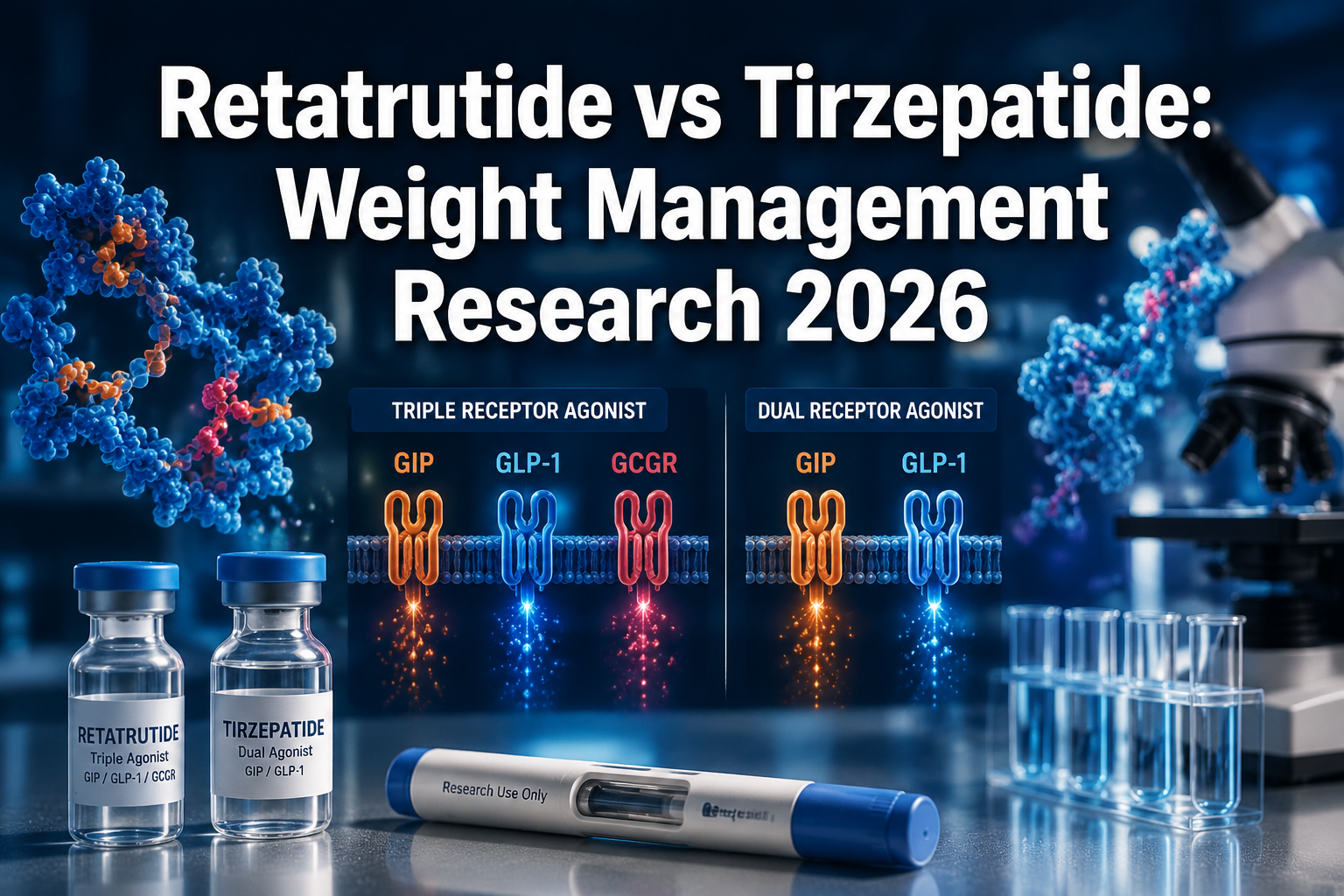
Confused on Retatrutide vs Tirzepatide for weight
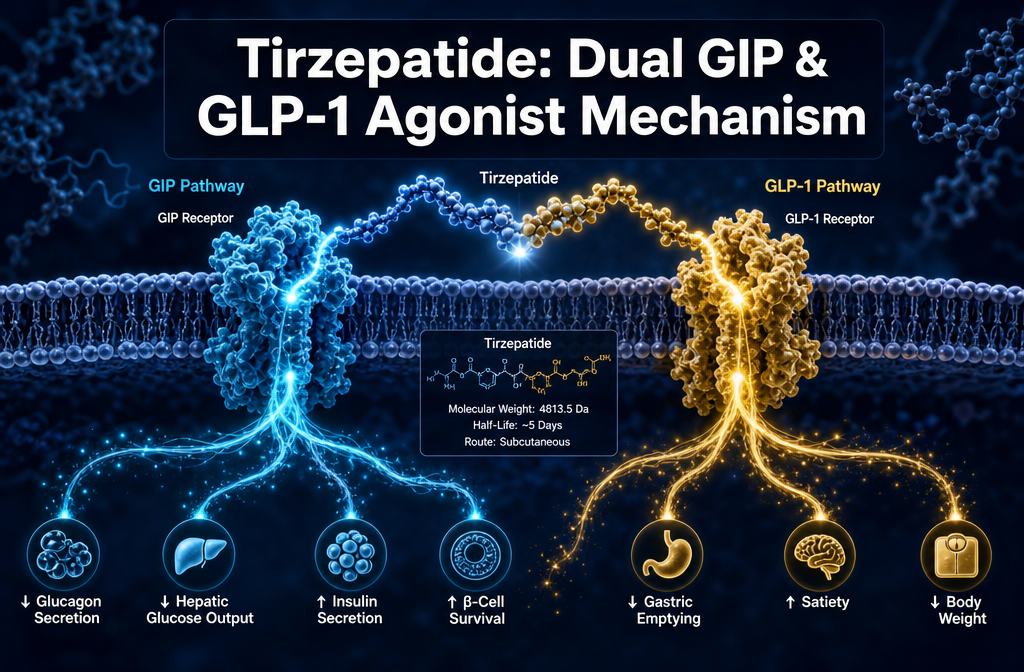
What is Tirzepatide dual GIP GLP-1 agonist