Slug: how-to-mix-and-store-peptides-research
In the realm of biochemical investigation, data integrity is inextricably linked to the quality of the reagents employed. For laboratory professionals, understanding how to mix and store peptides is a fundamental prerequisite for any experimental workflow. Peptides are fragile biomolecules, susceptible to degradation through oxidation, hydrolysis, and aggregation if mishandled. Therefore, mastering how to mix and store peptides is essential to preserving their structural fidelity and ensuring reproducibility in research settings.
The Importance of Proper Handling
When a researcher inquires how to mix and store peptides, they are primarily addressing the prevention of chemical instability. Most research peptides arrive in a lyophilised (freeze-dried) state, which renders them stable during transit. However, once the seal is broken, strict protocols must be observed. The process of how to mix and store peptides begins with the environment; all handling should occur within a sterile, controlled laboratory setting to minimise contamination.
Reconstitution Protocols
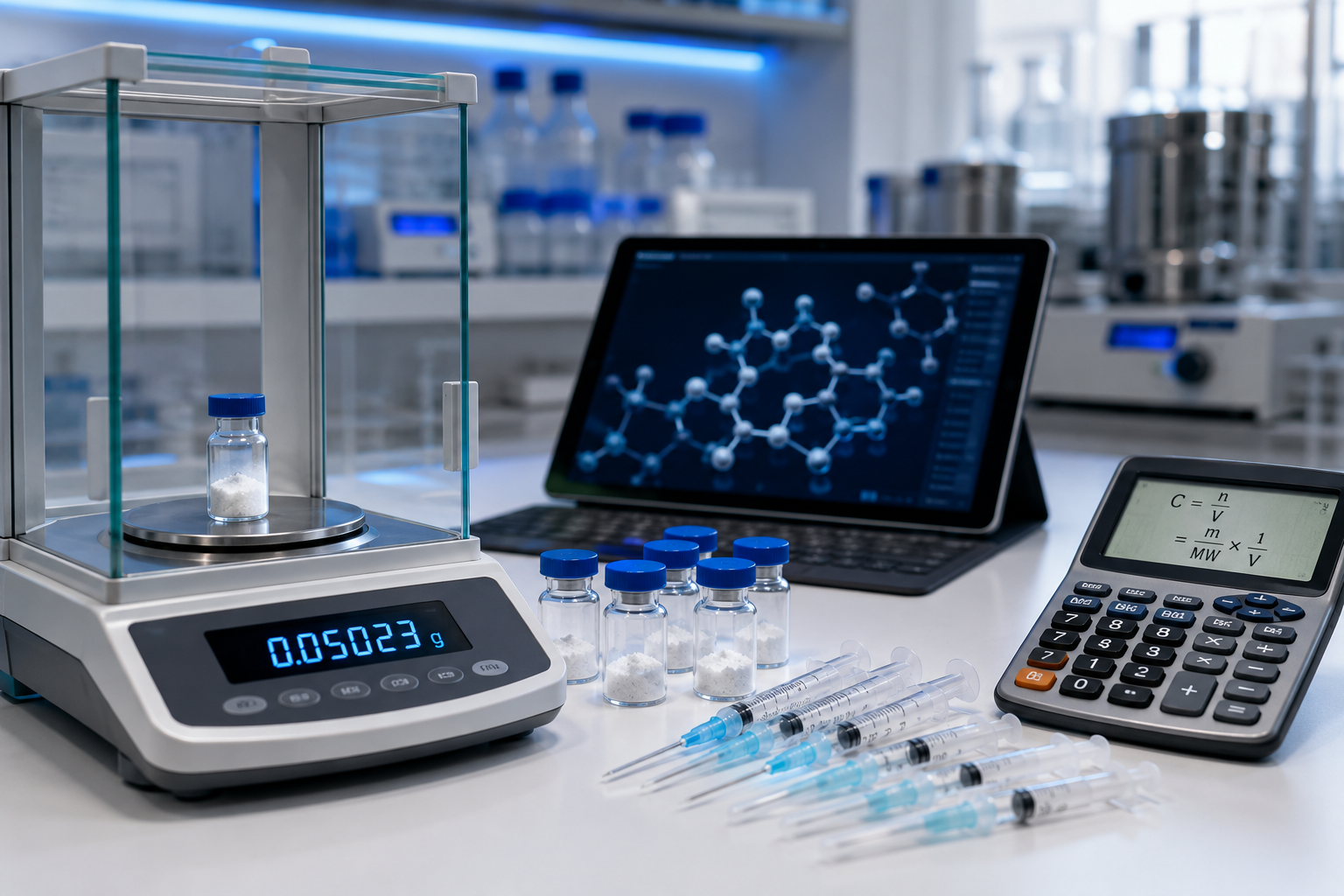
The ‘mixing’ phase, formally known as reconstitution, is a critical step. When determining how to mix and store peptides for a specific experiment, one must first select an appropriate solvent. Bacteriostatic water or sterile water is commonly used for general research purposes, though specific hydrophobic peptides may require acetic acid or DMSO.
A key axiom in how to mix and store peptides is the avoidance of mechanical stress. One should never vigorously shake a peptide vial. Instead, the solvent should be injected gently down the side of the glass vial, allowing it to pool at the bottom. The vial should then be swirled gently or allowed to sit until the lyophilisate is fully dissolved. Vigorous agitation can shear the peptide bonds or cause foaming, which denatures the protein structure. Thus, gentle handling is a cornerstone of how to mix and store peptides correctly.
Storage Strategies: Lyophilised vs Reconstituted
Storage protocols vary depending on the state of the peptide.
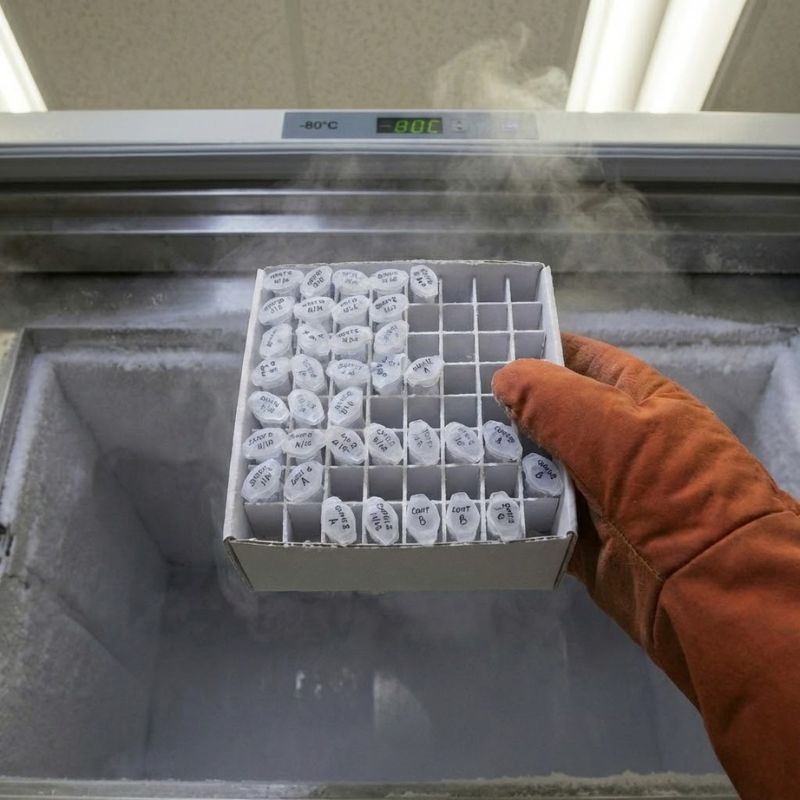
- Lyophilised Peptides: If you are researching how to mix and store peptides for long-term inventory, lyophilised vials should be kept at -20°C or lower. They should be protected from light and moisture.
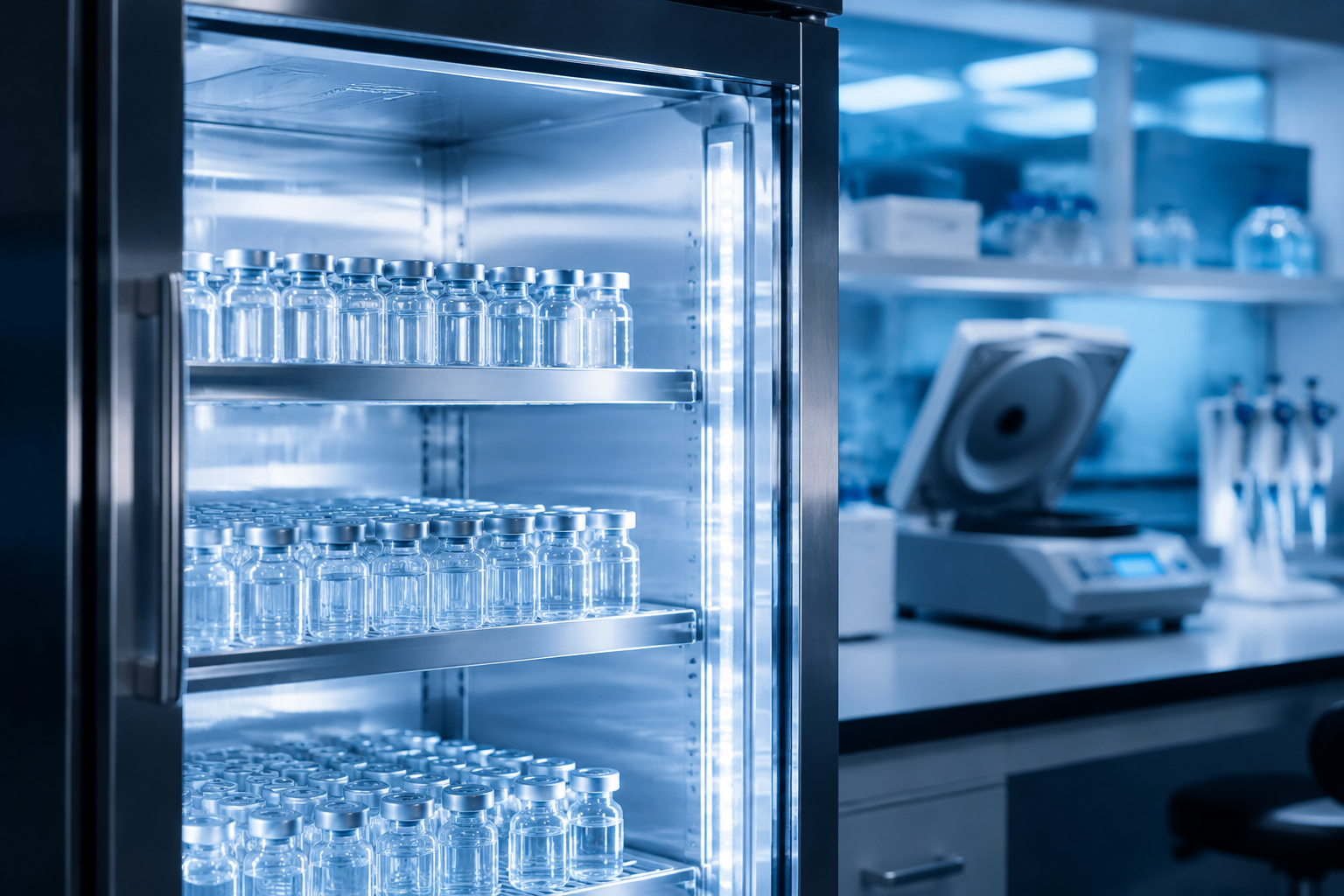
- Reconstituted Peptides: Once mixed, the stability window narrows significantly. Knowledge of how to mix and store peptides in solution dictates that they must be refrigerated (2°C to 8°C) if they are to be used within days. For longer storage of a solution, aliquoting is necessary.
Preventing Freeze-Thaw Cycles
A common error in laboratory practice involves repeated freezing and thawing. When studying how to mix and store peptides, it becomes clear that repeated temperature fluctuations can degrade the peptide sequence. Researchers should aliquot the reconstituted solution into single-use microcentrifuge tubes before freezing. This ensures that only the required amount is thawed for a specific assay, preserving the integrity of the remaining stock.
Conclusion
Ultimately, the validity of experimental data rests on the researcher’s adherence to strict handling protocols. By rigorously following established guidelines on how to mix and store peptides, laboratories can minimise experimental variables and maintain high standards of scientific rigour. Whether for mass spectrometry, binding assays, or structural analysis, knowing how to mix and store peptides remains a critical skill for the modern biochemist.
Next Steps for Your Research: Would you like assistance in generating a specific reconstitution calculation table based on vial mg and solvent volume for your next article?